Overview
At a glance
Is this game right for my group?
ABG editorial scores on a 1–5 scale.
Harder to teach
High replayability
Highly interactive
Scales well
Deep strategy
How it plays
How does it play?
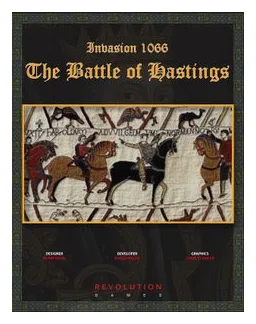
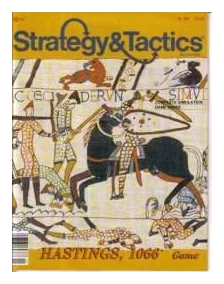
First published in Strategy & Tactics magazine #110, Hastings, 1066 is a tactical simulation of the confrontation between William the Bastard, Duke of Normandy, and King Harold Godwineson of Wessex...
Core mechanisms
Key systems that shape the decisions players make.
Read the full game description
First published in Strategy & Tactics magazine #110, Hastings, 1066 is a tactical simulation of the confrontation between William the Bastard, Duke of Normandy, and King Harold Godwineson of Wessex... a battle that forever changed the face of the world, as the victor became King. The game includes a 12 page rulebook, 200 counters and a 22"X34" mapsheet, which includes player displays, charts, and tables. The Norman's objective was to reach and take London. Harold's army blocked the only road. If the Norman player controls all of the road hexes on Senlac Hill, they win a Strategic victory. The Normans also win if they can eliminate all of the Saxon housecarle units. If neither of these victory conditions occur by the end of the second assault phase, the Saxon player wins.