Overview
At a glance
Is this game right for my group?
ABG editorial scores on a 1–5 scale.
Harder to teach
High replayability
Highly interactive
Scales well
Deep strategy
How it plays
How does it play?
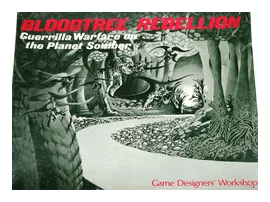
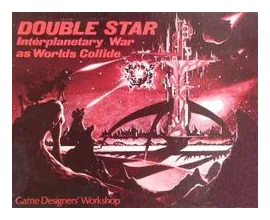
The Epsilon Cetus system, containing an M8 red dwarf and a G0 yellow star, was originally colonized by two independent relocations missions . .
Core mechanisms
Key systems that shape the decisions players make.
Grid Movement
Move pieces between adjacent spaces on a regular grid.
Dice Rolling
Roll dice to introduce uncertainty into actions, production, movement, or resolution.
Movement Points
Spend a movement allowance across spaces with different costs.
Events
Triggered events alter the shared state, rules, or available choices.
Hexagon Grid
Use a hexagonal map where each space connects evenly in six directions.
Read the full game description
The Epsilon Cetus system, containing an M8 red dwarf and a G0 yellow star, was originally colonized by two independent relocations missions . . . The first to arrive, and thus to claim the better G0 system, were those of Islamic origin . . . The second mission, of Chinese origin, arrived some 50 years later, in a crippled colony ship . . . they found [the G0 system] jealously guarded by a handful of Islamic ships, and had to crash-land instead in the far poorer quality red dwarf system. This early incident left a lasting animosity between the two cultures . . . Over two centuries, the Islamic culture established itself in its system, exploiting its mineral and ecological wealth to the fullest, and developing a thriving interplanetary society. The Chinese colony, on the other hand, was forced to spend the past 150 years in a spartan struggle for survival against marginal environments and the unpredictable flares of [the red dwarf] . . . Now, however, the pressure of population on the Chinese and the pressure for additional resource supplies on the Islamic has brought these two cultures into direct conflict.