Overview
At a glance
Is this game right for my group?
ABG editorial scores on a 1–5 scale.
Harder to teach
High replayability
Low interaction
Scales well
Deep strategy
How it plays
How does it play?
Description from the designer: Play through a tournament of five rounds, against ever trickier opponents, win the final and be crowned the BGG World Snooker Champion. Snooker Solitaire follows standard snooker rules and scoring.
Core mechanisms
Key systems that shape the decisions players make.
Read the full game description
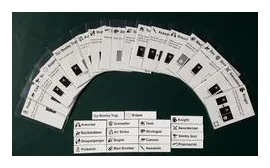
Description from the designer: Play through a tournament of five rounds, against ever trickier opponents, win the final and be crowned the BGG World Snooker Champion. Snooker Solitaire follows standard snooker rules and scoring. The cards are used to create the table after an initial break, with a different distribution of balls each game. You'll need to decide which shot is the best to go for, depending on its difficulty and where the balls will end up for your next shots. The riskier, more difficult pot or the safer, easier one? The difficulty of each shot is calculated depending on the number of cards between the cue ball and the target pocket, whether there are any other balls in the way and the angle at which you hit the object ball. You have a Cue (upgradable) with a Power tracker as well as Chalk (needed for trickier shots). You can opt to apply extra power to reduce the shot difficulty, but both Cue Power and Chalk are limited resources that you'll need to manage. Then you roll two dice and if at least one of them scores equal or higher than the difficulty, the pot succeeds. Miss a shot and there's a chance your opponent will clear the table and win.