Overview
At a glance
Is this game right for my group?
ABG editorial scores on a 1–5 scale.
Harder to teach
High replayability
Highly interactive
Scales well
Deep strategy
How it plays
How does it play?
Linked game discovered from BGG. Full scrape pending.
Core mechanisms
Key systems that shape the decisions players make.
Read the full game description
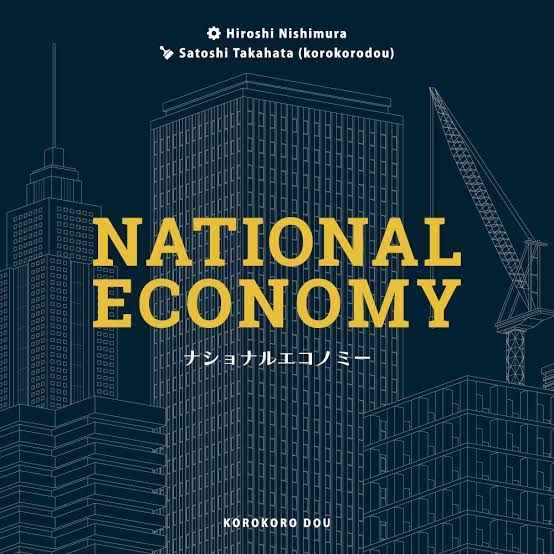
Is population a power or a burden? if the economy is doing well the population will increase, as the population increase, does it necessary mean that the productivity will also increase? In most worker placement games like Agricola, Stone Age that seems to be the case. This game plays like a typical worker placement game. At the first round each player has 2 workers and they take turn placing their workers one by one onto the basic tiles. The basic tiles consisted of quarry(get a card and take first player),mining(get a card), construction(build a building), Education(increase a worker). At the end of each round you'd have to pay your worker salaries. If you don't have enough money to pay for the workers this round, you'd have to sell some of your private properties and it'd become public to cover the cost. Here is the most interesting aspect about this game, unlike most other worker placement games, as long as you place workers in the farming/gathering tile the resource for feeding your people is unlimited, they can create enough food for themselves. In this game, the cash flow is limited even if you place the worker in the market tile you can only receive money up to the amount that is available in the pool. The only way to increase the money in the pool is when players cannot pay for their worker and sell their property to bring cash flow into the game, otherwise, there is no way to add more money. At the end of the game, the sum total of the selling prices of all the assets is the victory point. in this game, If you want to increase population, you can increase it as you like, but unlike other games, population will not score at all except for the effects of some buildings. On the contrary, if the workers cannot produce they will become a huge burden and consume the economy, making accumulation of wealth absolutely impossible. Essentially, this players have to learn to balance between development of population and the economy. Too few people can not maximize profits. However, if there are too many people they will eat up the profit. Initially, increased workers to increase productivity seems to be very attractive, but when the workers begin to be a burden in the latter half of the game. there is no way to reduce the workers. There is no family planning nor natural disasters, major famine, massacre and cultural revolution in this game. Once the population have increased and if the economic development does not catch up, you will quickly understand what it means to be debt.