Overview
At a glance
Is this game right for my group?
ABG editorial scores on a 1–5 scale.
Harder to teach
High replayability
Highly interactive
Scales well
Deep strategy
How it plays
How does it play?
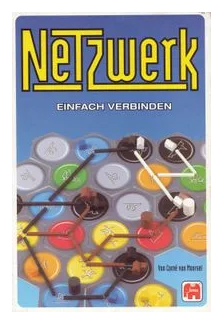
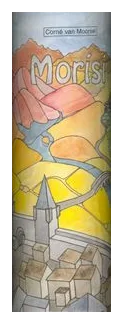
The object of the game is for the players to connect cities (gray hexes) via trade routes. These trade routes will pass through the various economic regions of Morisi: farmland (yellow), pastures (orange), wineries (red), timberland (green) and fisheries (blue).
Core mechanisms
Key systems that shape the decisions players make.
Read the full game description
The object of the game is for the players to connect cities (gray hexes) via trade routes. These trade routes will pass through the various economic regions of Morisi: farmland (yellow), pastures (orange), wineries (red), timberland (green) and fisheries (blue). Before trade routes can be built, the players must gain knowledge about these various region types by traveling through them with their pawn. As cities are connected by trade, the players’ success is represented by the size and number of their trading houses in the connected cities. A multi-player reimplementation of: Isi Reimplemented by: Netzwerk