Overview
At a glance
Is this game right for my group?
ABG editorial scores on a 1–5 scale.
Harder to teach
High replayability
Highly interactive
Scales well
Deep strategy
How it plays
How does it play?
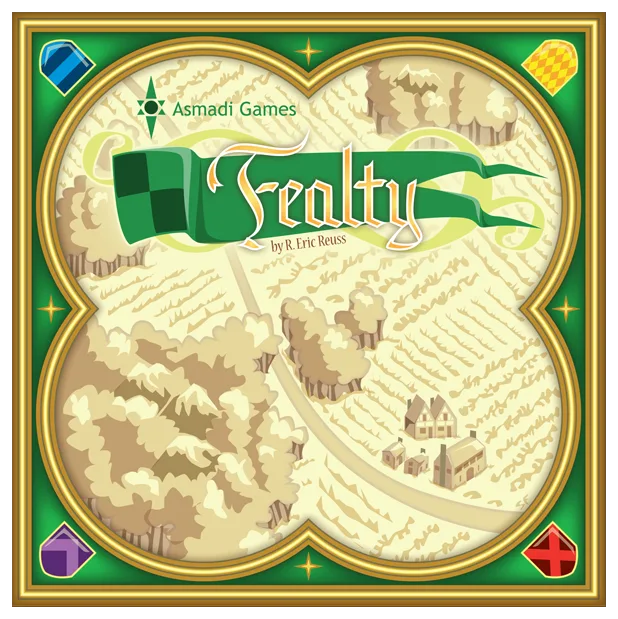
The king has died with no clear successor! The players—potential heirs all—are scrambling to put together their power bases by dispatching trusted agents and allies to garner support across the breadth of the kingdom.
Core mechanisms
Key systems that shape the decisions players make.
Area Majority
Compete to have the strongest presence in areas that award control or points.
Enclosure
Surround spaces or pieces to claim territory, capture, or score.
Hand Management
Time and sequence a limited hand of cards to preserve future options.
Simultaneous Action Selection
Choose actions secretly or concurrently before revealing them together.
Modular Board
Build the play area from interchangeable sections that vary between games.
Read the full game description
The king has died with no clear successor! The players—potential heirs all—are scrambling to put together their power bases by dispatching trusted agents and allies to garner support across the breadth of the kingdom. Nobody wants open warfare, but some conflict is sure to break out. Fealty is a game of positioning and territory control. Each turn, all players add one piece to the game board, with increasing constraints on placement as time goes on. Some pieces have an effect when brought into play. At the end of the game, all pieces place influence in order of speed, claiming territory and blocking slower opposing pieces. The player who has maneuvered his or her pieces to place the most influence onto the board wins.