Overview
At a glance
Is this game right for my group?
ABG editorial scores on a 1–5 scale.
Harder to teach
High replayability
Highly interactive
Scales well
Deep strategy
How it plays
How does it play?
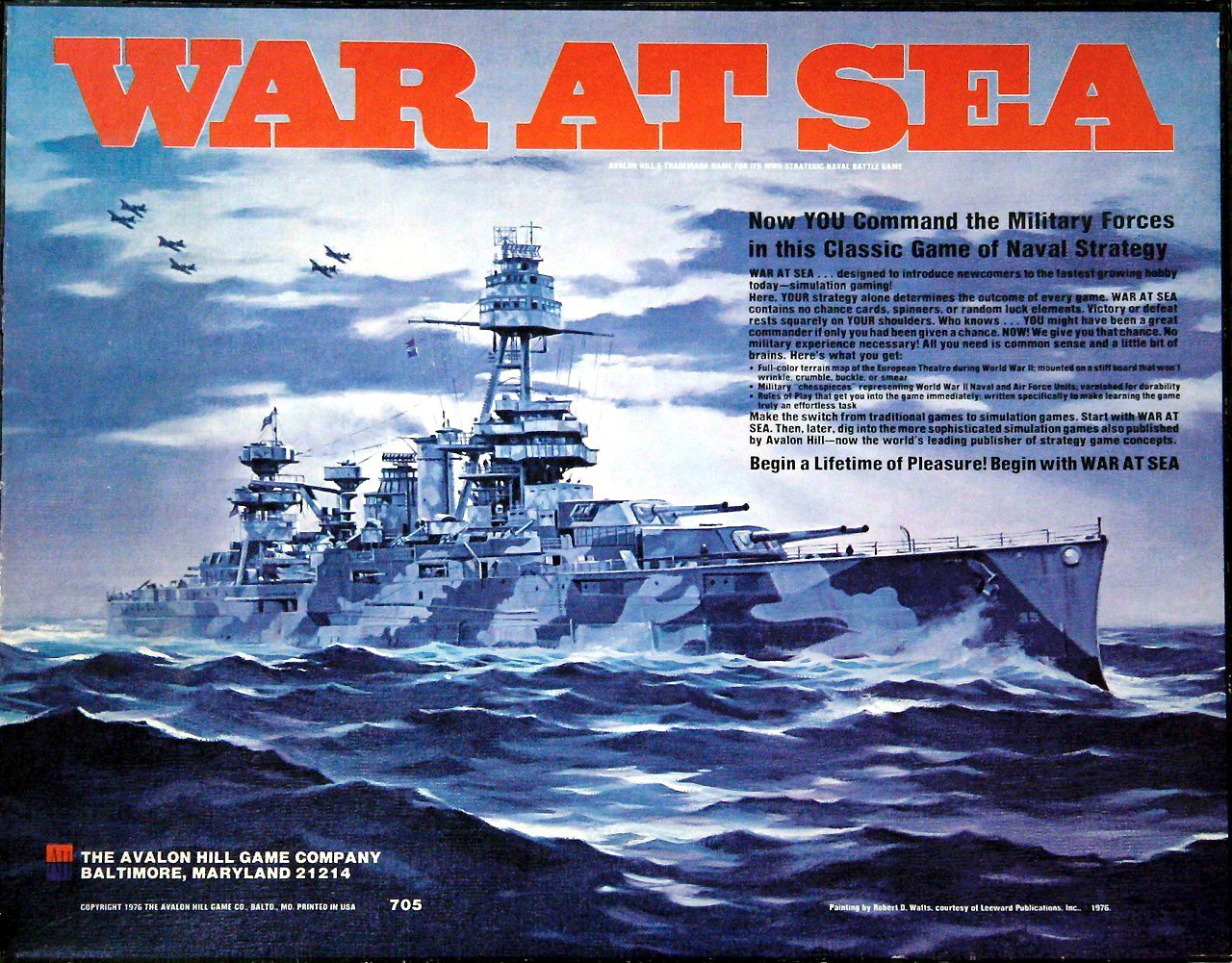
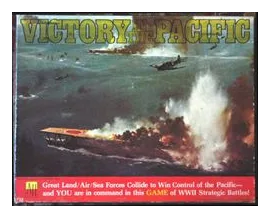
"Victory in the Pacific" is a simple strategic wargame covering the Pacific Theater of World War 2. It is a successor to the system developed in "War at Sea" which covers the Battle of the Atlantic.
Core mechanisms
Key systems that shape the decisions players make.
Area Majority
Compete to have the strongest presence in areas that award control or points.
Area Movement
Move pieces between connected regions rather than along individual spaces.
Dice Rolling
Roll dice to introduce uncertainty into actions, production, movement, or resolution.
Simulation
Model a real or imagined system through detailed cause-and-effect rules.
Read the full game description
"Victory in the Pacific" is a simple strategic wargame covering the Pacific Theater of World War 2. It is a successor to the system developed in "War at Sea" which covers the Battle of the Atlantic. The game divides the Pacific into 13 sea areas. Each turn the players move their ships, land based air and marines from the ports and bases (which are located on the borders of sea areas) to one of the areas. Ships can either be patrollers (the only ships that will take control of area after battle, but they must commit their move first) or raiders. After all ships have been moved, the players dice off determine whether a day battle (where air power is decisive) or night battle (when ship board gunnery rules) is fought. After a number of rounds, until one side or the other retreats or loses all of his ships, the player with patrolling ships left takes control of the area and a scores a number of "Points of Control". The Japanese will almost always take a large lead that will be inevitably turned back by the Americans as they get large numbers of carriers as the game goes on. Avalon Hill Complexity Rating - 2