Overview
At a glance
Is this game right for my group?
ABG editorial scores on a 1–5 scale.
Harder to teach
High replayability
Highly interactive
Scales well
Deep strategy
How it plays
How does it play?
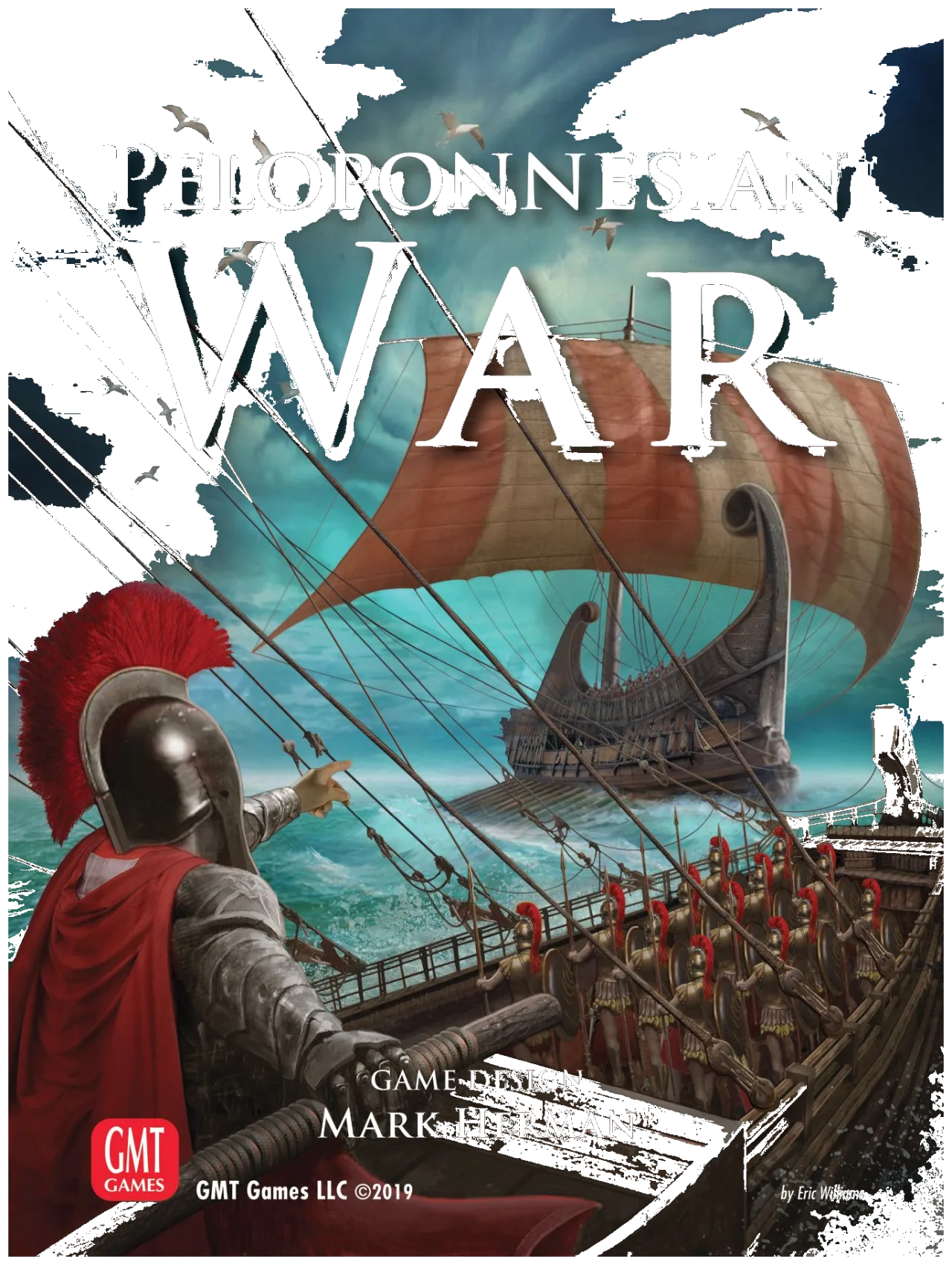
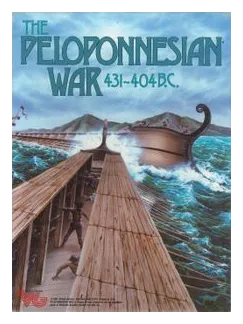
The Peloponnesian War lets you chart the destiny of the war. This strategic wargame of ancient warfare allows the player, with a unique new solitaire system, to try an accomplish a lasting peace.
Core mechanisms
Key systems that shape the decisions players make.
Movement Points
Spend a movement allowance across spaces with different costs.
Dice Rolling
Roll dice to introduce uncertainty into actions, production, movement, or resolution.
Point-to-Point Movement
Move along explicit connections between named locations or nodes.
Simulation
Model a real or imagined system through detailed cause-and-effect rules.
Solo / Solitaire Game
Provide rules and objectives designed for a single player.
Variable Set-up
Starting conditions, resources, or layouts change between plays.
Read the full game description
The Peloponnesian War lets you chart the destiny of the war. This strategic wargame of ancient warfare allows the player, with a unique new solitaire system, to try an accomplish a lasting peace. All existing solitaire systems on the market have the player take one side for the entire game. Unfortunately this pits the player against a random system with poor strategic direction. In The Peloponnesian War you get to play both sides, pitting yourself against the best you can offer. If the game system is winning, the player is forced to continue with the losing side. Success, on the other hand, will eventually force the player to change sides and recover the losing side's fortunes. The duration of the war and the player's performance determine victory. In this manner the player competes against himself in the classic tradition of the Greek tragedy.