Overview
At a glance
Is this game right for my group?
ABG editorial scores on a 1–5 scale.
Harder to teach
High replayability
Highly interactive
Scales well
Deep strategy
How it plays
How does it play?
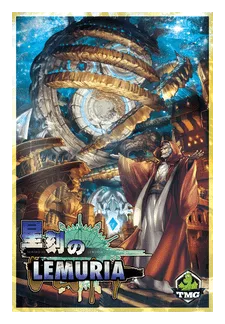
Lemuria is an ancient city running on the now-forgotten time-control technology. Using the force from the stars, channeled through the star altar, the residents could control time and transform the versatile resource "materia" into anything they wished.
Core mechanisms
Key systems that shape the decisions players make.
Action Points
Spend a limited allowance of points across several possible actions each turn.
Area Majority
Compete to have the strongest presence in areas that award control or points.
Open Drafting
Select cards or items from a shared face-up display.
Worker Placement
Commit limited workers to action spaces before opponents occupy them.
Read the full game description
Lemuria is an ancient city running on the now-forgotten time-control technology. Using the force from the stars, channeled through the star altar, the residents could control time and transform the versatile resource "materia" into anything they wished. You are one of the city builders of Lemuria, and you must fight for control of the altar, sometimes cooperating with others and using your resources to further develop the ancient city — and you have only one year in which to do it. Lemuria — originally released as ???????, or "The Star Kingdom Lemuria" — is at its heart a worker placement, resource management, and area control game. Players try to get points chiefly by converting two types of workers into resources, then using those resources to buy buildings. Points can also be gained by using special cards and by combining them with buildings. The game simulates one full year in Lemuria's lifespan, with each of the twelve rounds representing one month, and with harvests on rounds 4, 8, and 12. On their turn, a player must either (1) place workers to "seed" their materia, or (2) harvest resources as a result of prior placements. Players may also choose to use accumulated resources to buy buildings, use accumulated food to "employ citizens" (use special cards), or spend gold to perform extra actions. Citizens can reside in buildings, which gives extra points during the harvests.