Overview
At a glance
Is this game right for my group?
ABG editorial scores on a 1–5 scale.
Harder to teach
High replayability
Highly interactive
Scales well
Deep strategy
How it plays
How does it play?
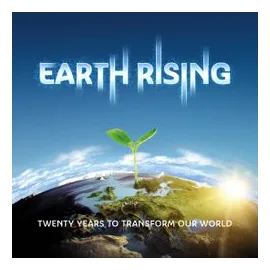
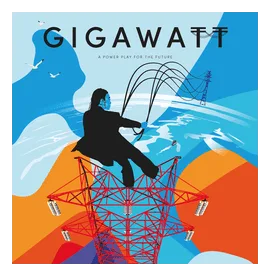
Europe, end of 20th century. Our economy runs entirely on fossil gas and coal-fired power plants.
Core mechanisms
Key systems that shape the decisions players make.
Investment
Commit resources now to improve income, control, or value later.
Auction: Turn Order Until Pass
Bid against other players to determine who receives an item, action, or priority.
Dice Rolling
Roll dice to introduce uncertainty into actions, production, movement, or resolution.
Trading
Exchange resources, assets, or promises with other players.
Variable Player Powers
Each player has different abilities, restrictions, or strategic advantages.
Player Elimination
Players can be removed from contention before the game ends.
Read the full game description
Europe, end of 20th century. Our economy runs entirely on fossil gas and coal-fired power plants. Climate change is a fact. Which region will have sustainable (non-fossil) electricity production first and wins the game? Each game round, the electricity demand (in GW) in your region increases due to the fate of the Dice. It's up to you to build power stations to produce the required GW demand. This provides you with income, with which you can eventually close the old fossil power stations and replace them with sustainable power stations that do not emit CO2. You can trade GW surpluses and GW shortages with the other players or External Markets to balance supply and demand. So are you going to increase sustainability quickly (with the risk of GW shortages), or are you more careful (at the risk of being late)? The region that is the first to produce more GW than the GW demand and has closed all its fossil power plants, wins. But beware, wind and solar energy sometimes only generate half of their GW power peak. —description from the designer