Overview
At a glance
Is this game right for my group?
ABG editorial scores on a 1–5 scale.
Harder to teach
High replayability
Highly interactive
Scales well
Deep strategy
How it plays
How does it play?
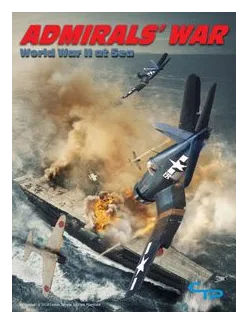
Admirals' War: World War II at Sea (AW) is a board game recreation of the strategic naval situation in WWII from the early months of the Atlantic war to the decisive Battle of the Philippine Sea in late 1944.
Core mechanisms
Key systems that shape the decisions players make.
Area Majority
Compete to have the strongest presence in areas that award control or points.
Area Movement
Move pieces between connected regions rather than along individual spaces.
Dice Rolling
Roll dice to introduce uncertainty into actions, production, movement, or resolution.
Simulation
Model a real or imagined system through detailed cause-and-effect rules.
Read the full game description
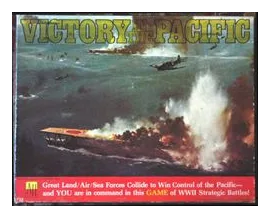
Admirals' War: World War II at Sea (AW) is a board game recreation of the strategic naval situation in WWII from the early months of the Atlantic war to the decisive Battle of the Philippine Sea in late 1944. All the major combat ships in the Axis and Allied navies are portrayed in the game in a simple (but not simplistic) simulation of the war on a strategic level with most of the tactical details represented by simple game mechanics. The resulting game is fast-paced and fun to play, while remaining true to history. Much of AW has some similarity to the mechanics used in Avalon Hill's classic game Victory in The Pacific (VITP), applying a modern application to the sea wars in both the Atlantic and the Pacific. This game combines both theaters into one game. Players familiar with these older titles will immediately notice that the map-board representing the Pacific has some similarities to its predecessor, whereas the map for the Atlantic theater has greatly changed. This was done to more seamlessly combine the mechanics of the two games, and to better reflect the nature of the Atlantic naval fighting. —description from the publisher