Overview
At a glance
Is this game right for my group?
ABG editorial scores on a 1–5 scale.
Teachability
2.3/5
Harder to teach
Replay value
4.0/5
High replayability
Interaction
3.8/5
Highly interactive
Player scaling
4.0/5
Scales well
Strategic depth
4.5/5
Deep strategy
How it plays
How does it play?
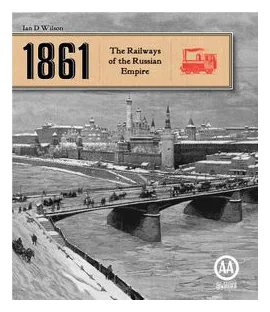
1861 is an 18xx variant set in Russia. 1861's defining characteristics include: 16 minor companies that are put up for auction during stock rounds, minors having the opportunity to merge or convert in to major corporations, and a non-player controlled government railway.
Core mechanisms
Key systems that shape the decisions players make.
Auction/Bidding
Bid against other players to determine who receives an item, action, or priority.
Stock Holding
Acquire shares whose value depends on companies, assets, or player actions.
Network and Route Building
Create connected routes that improve reach, delivery, control, or scoring.
Tile Placement
Place tiles to build a shared or personal spatial arrangement.