Overview
At a glance
Is this game right for my group?
ABG editorial scores on a 1–5 scale.
Harder to teach
High replayability
Highly interactive
Scales well
Deep strategy
How it plays
How does it play?
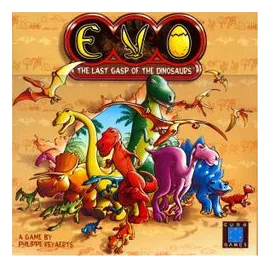
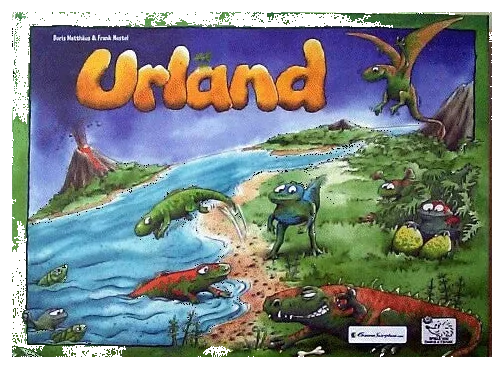
In Urland, players compete to get their creatures on land. One player selects which land area is scored in a turn while other players use a number of actions to move their creatures around.
Core mechanisms
Key systems that shape the decisions players make.
Action Points
Spend a limited allowance of points across several possible actions each turn.
Area Majority
Compete to have the strongest presence in areas that award control or points.
Auction/Bidding
Bid against other players to determine who receives an item, action, or priority.
Variable Player Powers
Each player has different abilities, restrictions, or strategic advantages.
Read the full game description
In Urland, players compete to get their creatures on land. One player selects which land area is scored in a turn while other players use a number of actions to move their creatures around. At certain intervals on the scoring track, gene modifications are auctioned which offer additional actions to the players.