Overview
At a glance
Is this game right for my group?
ABG editorial scores on a 1–5 scale.
Harder to teach
High replayability
Highly interactive
Scales well
Deep strategy
How it plays
How does it play?
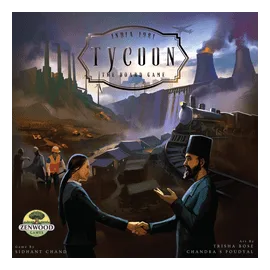
Post independence from colonial rule, India had been left in shambles. It was the combined efforts of bureaucrats, politicians, and industrialists who worked together (and sometimes not so much together) to start a new industrial revolution following the five-year plans.
Core mechanisms
Key systems that shape the decisions players make.
Auction/Bidding
Bid against other players to determine who receives an item, action, or priority.
Action/Event
Cards can provide player actions, trigger events, or force a choice between them.
Income
Receive recurring resources according to your position, assets, or development.
End Game Bonuses
Earn additional points for meeting conditions evaluated when the game ends.
Read the full game description
Post independence from colonial rule, India had been left in shambles. It was the combined efforts of bureaucrats, politicians, and industrialists who worked together (and sometimes not so much together) to start a new industrial revolution following the five-year plans. It is the dawn of a new era, for liberalization and globalization has removed much of the licensing and red-taping that had hindered development of the industries. In the game of Tycoon: India 1981, players represent big industrial houses of India that are trying to dominate the six key industrial sectors — minerals, fuel, agro, power, transport, and finance — by obtaining the rights from the government and building factories on a map of India. Although the goal is to be rich, they must try to influence national policies to their favor, as well as gain political votes to break ties, all while balancing wealth and fame in a series of rounds that will ultimately decide one winner! —description from the designer