Overview
At a glance
Is this game right for my group?
ABG editorial scores on a 1–5 scale.
Harder to teach
High replayability
Highly interactive
Scales well
Deep strategy
How it plays
How does it play?
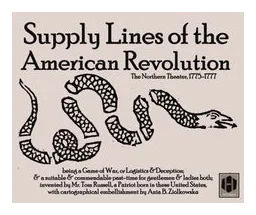
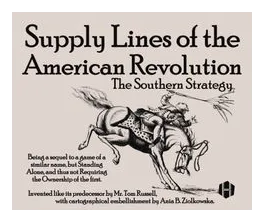
Supply Lines of the American Revolution: The Northern Theater, 1775-1777 was a surprise hit for publisher Hollandspiele and designer Tom Russell. Popular with grognards and logistics nerds alike, it secured a nomination for the 2017 Golden Geek Award for Best Wargame.
Core mechanisms
Key systems that shape the decisions players make.
Read the full game description
Supply Lines of the American Revolution: The Northern Theater, 1775-1777 was a surprise hit for publisher Hollandspiele and designer Tom Russell. Popular with grognards and logistics nerds alike, it secured a nomination for the 2017 Golden Geek Award for Best Wargame. This hotly anticipated standalone sequel covers the second half of the American War of Independence, and shifts the scene to the Southern colonies of Virginia, Georgia, and the Carolinas. It's more than just a change in locale, however; this game has a very different feel and emphasis than its predecessor. Both sides have much smaller armies with far fewer resources. The South, after all, is really a very minor theater: the British are chiefly concerned with holding onto their Caribbean possessions, particularly with the French, Dutch, and Spanish circling around those profitable islands, while George Washington is obsessed with taking back New York. Unsupported, Cornwallis must attempt to pacify the southern colonies one at a time while coming to grips with the slippery colonials, while avoiding being trapped himself. Maneuver is central this time around, thanks to new and utterly unforgiving siege rules. And while this operational cat-and-mouse chase dances across the colonies, partisan warfare rages as both sides seek to win hearts and minds. Crown Loyalists can greatly extend Cornwallis's supply lines, while daring Patriot Militia can harass the redcoats with Raids. To win this game and the war itself, you'll need to master irregular warfare, operational maneuver, siegecraft, naval affairs, and, of course, and perhaps above all, logistics. —description from the publisher