Overview
At a glance
Is this game right for my group?
ABG editorial scores on a 1–5 scale.
Harder to teach
High replayability
Highly interactive
Scales well
Deep strategy
How it plays
How does it play?
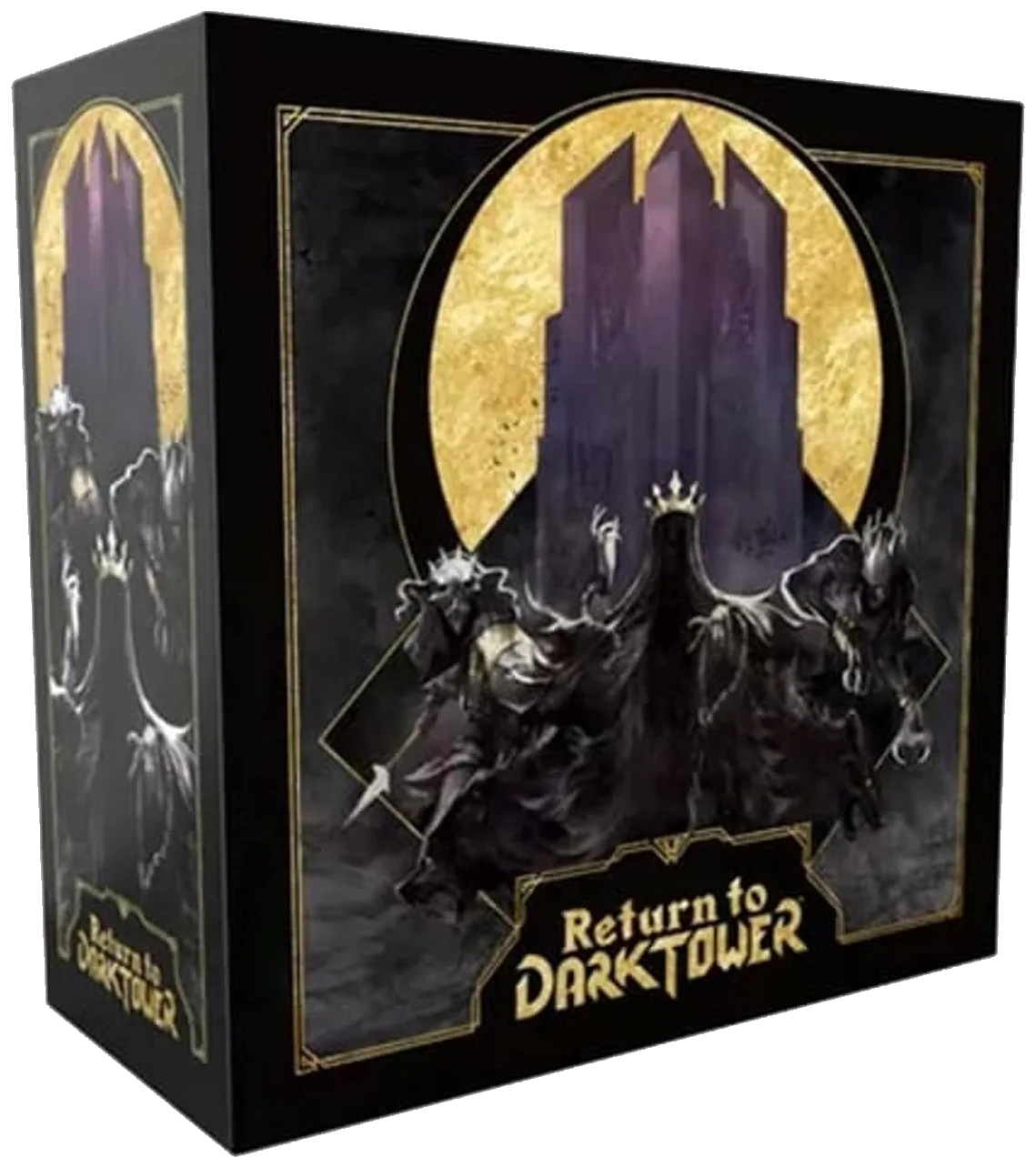
For an age, the tower lay in ruins. Unbeknownst to the people of the realm, a great evil stirred in its bowels.
Core mechanisms
Key systems that shape the decisions players make.
Area Movement
Move pieces between connected regions rather than along individual spaces.
Cooperative Game
Players coordinate their actions toward a shared objective and win or lose together.
Push Your Luck
Choose whether to secure current gains or risk them for a larger reward.
Events
Triggered events alter the shared state, rules, or available choices.
Random Production
A random result determines which players or areas produce resources.
Read the full game description
For an age, the tower lay in ruins. Unbeknownst to the people of the realm, a great evil stirred in its bowels. It started with strange sightings: a flock of crows flying in circles until they dropped from the sky, the lake frozen solid in the height of summer. In time, they could not deny that which they most feared. The evil had not been vanquished. The darkness would soon fall again. The tower will rise. A "sequel" to the 1981 grail game, Return to Dark Tower is a game for 1-4 players who take the role of heroes. Together, they gather resources, cleanse buildings, defeat monsters, and undertake quests to build up their strength and discern what foe ultimately awaits them. When the heroes face the tower, the game shifts into its dramatic second act, where the players have one chance to defeat the enemy once and for all. The game features both cooperative and competitive modes of play. The game features traditional game mechanisms, such as engine building and resource management, paired with a technological interface unlike any seen before in games, including the titular tower, which holds more than a few secrets. —description from the publisher