Overview
At a glance
Is this game right for my group?
ABG editorial scores on a 1–5 scale.
Harder to teach
High replayability
Highly interactive
Scales well
Deep strategy
How it plays
How does it play?
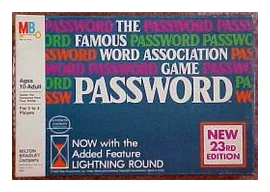
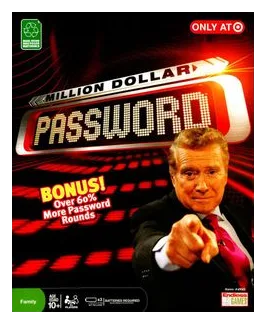
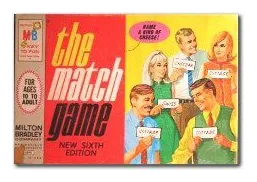
Board game rendition of the famous game show most frequently (and notably) hosted by Dick Clark. The object of the game is to describe items of a given subject to one's teammate as quickly as possible.
Core mechanisms
Key systems that shape the decisions players make.
Read the full game description
Board game rendition of the famous game show most frequently (and notably) hosted by Dick Clark. The object of the game is to describe items of a given subject to one's teammate as quickly as possible. Each team has thirty seconds for each list. The team with the most points after three rounds advances to the "Winners Circle" round. In the "Winners Circle" one teammate must make a list of items which fit each of six different categories. If the teammate can guess all six subjects in under sixty seconds the team wins the big money. The team with the most money after three games is the winner. The eight Milton Bradley games never used the actual Winner's Circle format, opting to use descriptions of items like the front game. The first three games were $10,000, with the Third Edition later repackaged as $20,000 with slightly different artwork to accommodate the change. The eighth game used $50,000, per the brief 1981 series.