Overview
At a glance
Is this game right for my group?
ABG editorial scores on a 1–5 scale.
Harder to teach
High replayability
Highly interactive
Scales well
Deep strategy
How it plays
How does it play?
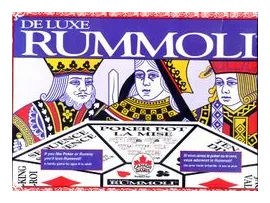
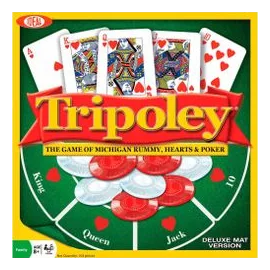
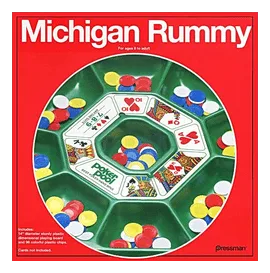
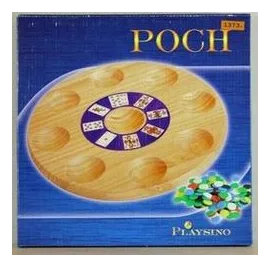
It is standard deck playing card game played with a special board having eight compartments for the money. It is the original version of the game of Tripoley.
Core mechanisms
Key systems that shape the decisions players make.
Read the full game description
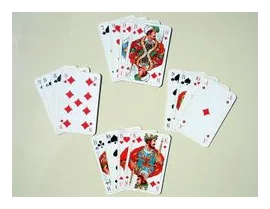
It is standard deck playing card game played with a special board having eight compartments for the money. It is the original version of the game of Tripoley. All cards are dealt out, except one which determines the "pay suit". Each hand has three stages. In the first players collect the pot from some compartments for the appropriate cards or card combinations. The second stage is similar to Poker with a smaller variety of valuable combinations: players bet on who has the best set of cards of the same rank. The third stage is played like the game of Stops (known under a variety of names like Newmarket and Michigan), where the cards have to be played in suit and sequence, the winner being the first player to run out of cards. (An early form of this game was instead played like Blackjack, but with 31 as the target instead of 21.) Re-implemented by: Tripoley