Overview
At a glance
Is this game right for my group?
ABG editorial scores on a 1–5 scale.
Harder to teach
High replayability
Highly interactive
Scales well
Deep strategy
How it plays
How does it play?
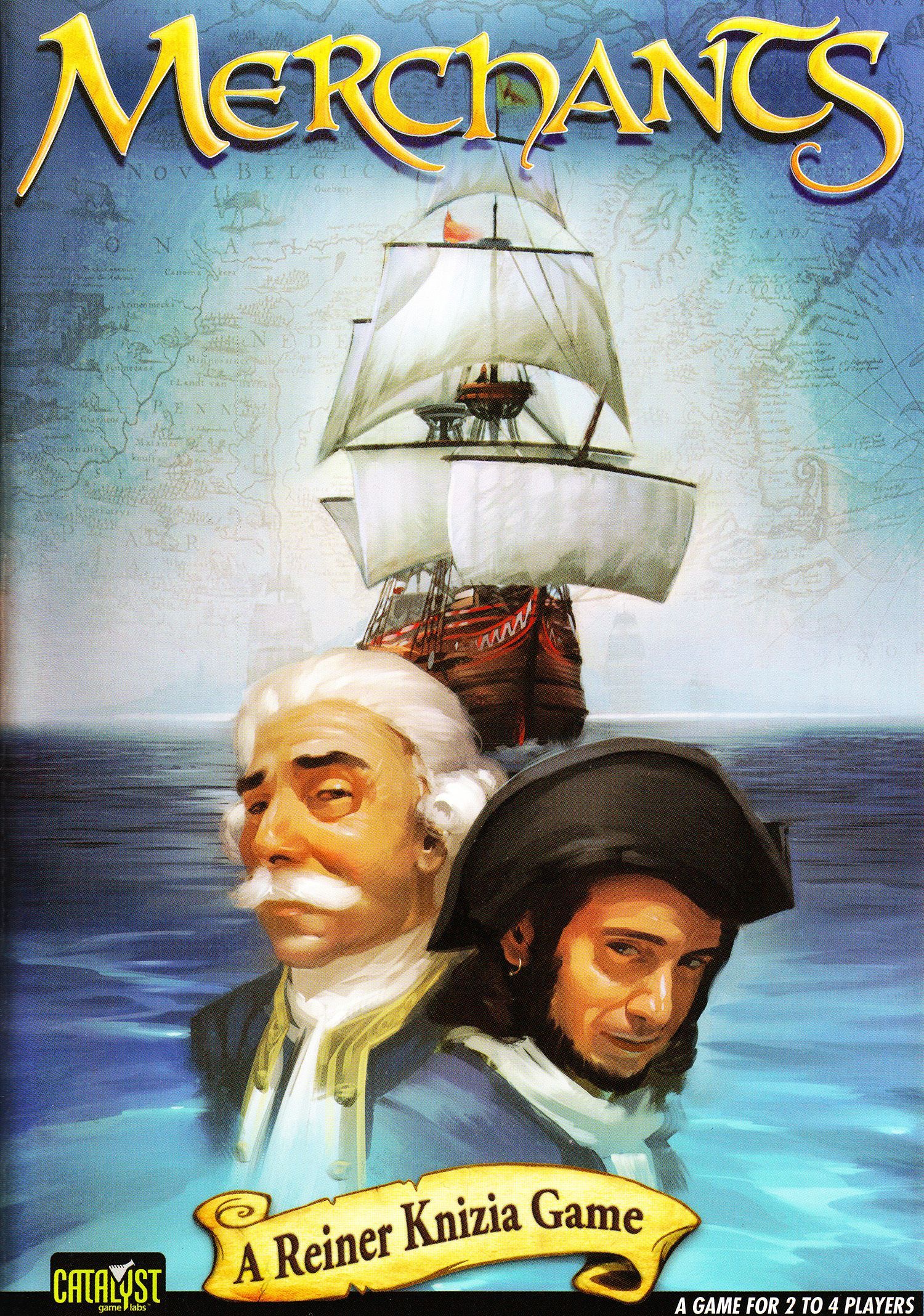
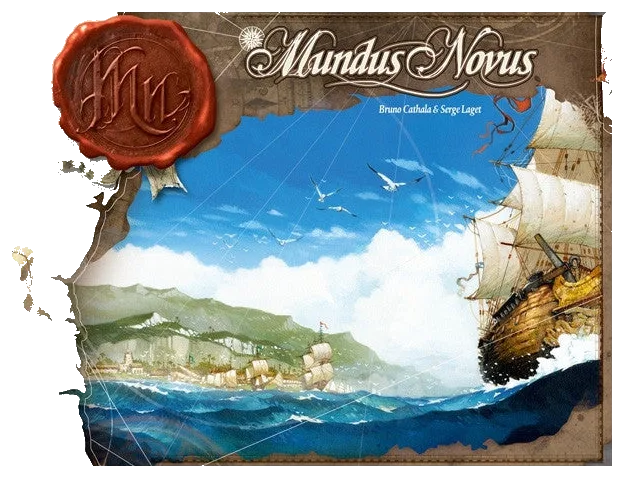
Spain, 16th century. You are a powerful ship owner in search of wealth from the recently discovered Mundus Novus (New World).
Core mechanisms
Key systems that shape the decisions players make.
Open Drafting
Select cards or items from a shared face-up display.
Set Collection
Gather related items that become more valuable when scored together.
Hand Management
Time and sequence a limited hand of cards to preserve future options.
Trading
Exchange resources, assets, or promises with other players.
Read the full game description
Spain, 16th century. You are a powerful ship owner in search of wealth from the recently discovered Mundus Novus (New World). Your goal: Charter fleets of caravels to collect valuable goods (including the legendary Inca relics) and trade to form the best sets to expand your business empire and make your fortune. The game is played using two decks of cards: a deck of resource cards, which contains cards representing ten different resources, and a deck of development cards, which give special benefits to their owners. The game is played in rounds, with each round consisting of four phases: Each round starts with the Event phase, in which a random event may occur that affects all players. The next phase is the Supply phase. Each player receives five random resource cards, plus one resource card for each caravel (a type of development card) that he owns, chosen from a common pool. Then, during the Trade phase, the players trade some of their cards. One of the players, the Trade Master, determines how many resource cards (2, 3 or 4) each player must offer for trade. The player that offers the resources with the highest value becomes the new Trade Master. He chooses one of the resources offered by one of the other players, and adds it to his hand, or exchanges it with a card from the market (three face-up cards that are available for such exchanges). Then, the player that he has taken a card from gets to take a card, and so on, until all the cards have been taken. Finally, during the Progression phase, the players exchange their resources for doubloons and developments. A player may exchange one set of three or more of the same resource for a development. Bigger combinations and rarer resources will allow more choice of which development can be selected from the five that are on offer. In addition, players can exchange sets of three or more different goods for doubloons, with bigger combinations earning more doubloons. If a player can make a combination of ten different cards (i.e., one of each type of resource), he wins the game. Alternatively, if a player has accumulated 75 doubloons, he wins the game. If no player has achieved victory by the time the development deck runs out, the player who has accumulated the most doubloons wins.