Overview
At a glance
Is this game right for my group?
ABG editorial scores on a 1–5 scale.
Harder to teach
High replayability
Highly interactive
Scales well
Deep strategy
How it plays
How does it play?
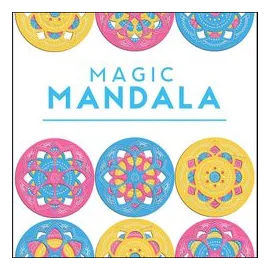
Mandala is a pattern matching game in which players have to match mandala designs using a set of three discs. Every player receives the same set of three plastic discs which have a different shape and also a different color on each side.
Core mechanisms
Key systems that shape the decisions players make.
Read the full game description
Mandala is a pattern matching game in which players have to match mandala designs using a set of three discs. Every player receives the same set of three plastic discs which have a different shape and also a different color on each side. A deck of approximately twenty cards (half of the forty cards provided) is shuffled and placed face down in the center of the table. The top card is flipped over showing a particular mandala design that everyone tries to match in shape and colors using the three discs that they have. Players have to manipulate their discs simultaneously, flipping them to find the right colors, stacking them in the right order, and rotating them to get the right position so they can recreate the mandala shown on the card. The first player to do it correctly claims the card and gets one point. The next mandala card is revealed, and players start the matching process once again. Once all the cards have been claimed, whoever holds the most cards wins!