Overview
At a glance
Is this game right for my group?
ABG editorial scores on a 1–5 scale.
Harder to teach
High replayability
Highly interactive
Scales well
Deep strategy
How it plays
How does it play?
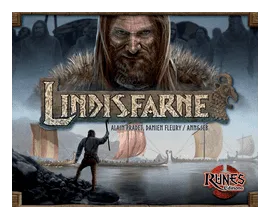
June 8, 793, when the Abbey of Lindisfarne is sacked, the West discovers the existence of dreadful warriors: The Vikings. The raids will happen all over Europe for many centuries to come, bringing treasures and prestige to those fearless Jarls.
Core mechanisms
Key systems that shape the decisions players make.
Read the full game description
June 8, 793, when the Abbey of Lindisfarne is sacked, the West discovers the existence of dreadful warriors: The Vikings. The raids will happen all over Europe for many centuries to come, bringing treasures and prestige to those fearless Jarls. In Lindisfarne, you are the Jarl of your clan, the Viking chief, and you will raid Europe hoping to bring back treasures and prestige. Be aware the sea is unpredictable and, without luck or the gods’ help, you could land after one of your rivals or at the wrong location altogether... Roll dice and place your vikings wisely to obtain the lead on the three boards, and win destination cards and objective cards... The game lasts six expeditions. Each turn, players roll dice depending on the number of tokens they own. Then, they place one or more tokens on one of the game boards, trying to have the lead and choose which card (destination or objective) to take at the end of the expedition. The more tokens they place on a turn, the fewer dice they will roll on the next turn. At the end of the game, players win prestige points with the completed objectives, the leads they got on each country, and the frescoes they have reconstructed. The player with the most prestige point is selected to go to the King's council Harald. —description from publisher