Overview
At a glance
Is this game right for my group?
ABG editorial scores on a 1–5 scale.
Harder to teach
High replayability
Highly interactive
Scales well
Deep strategy
How it plays
How does it play?
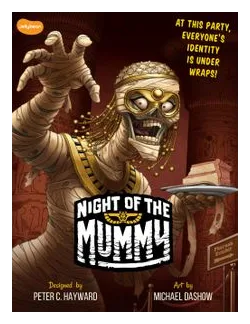
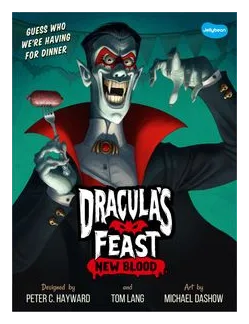
Dracula’s Feast: New Blood is a 4-8 player logical deduction game by Peter C. Hayward and Tom Lang, with art by Michael Dashow.
Core mechanisms
Key systems that shape the decisions players make.
Read the full game description
Dracula’s Feast: New Blood is a 4-8 player logical deduction game by Peter C. Hayward and Tom Lang, with art by Michael Dashow. Dracula invited the townsfolk over for dinner (and maybe a few for dessert), but – what a pain in the neck – a mash of monsters have crashed the party looking for a bite. Now, everything is at stake… Each turn, either: INQUIRE another guest; they will respond with a YES or a NO card, and must be honest. Ask another player to DANCE; if they agree, look at each other's cards! If they refuse, INQUIRE another player. ACCUSE! Place an Accusation Card in front of every other player - they'll return a YES if you're correct, and a NO if you're not. If you get all YES cards in response, you win the game! —description from the publisher