Overview
At a glance
Is this game right for my group?
ABG editorial scores on a 1–5 scale.
Harder to teach
High replayability
Highly interactive
Scales well
Deep strategy
How it plays
How does it play?
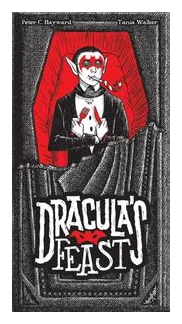
Dracula, bored and hungry, has thrown a masquerade ball, and invited all the townsfolk for dinner (and maybe a few for dessert). The problem: Some monsters in clever disguises have crashed the party.
Core mechanisms
Key systems that shape the decisions players make.
Role Playing
Make decisions or communicate from the perspective of an assigned character.
Memory
Remember previously revealed information, positions, or sequences.
Player Elimination
Players can be removed from contention before the game ends.
Variable Player Powers
Each player has different abilities, restrictions, or strategic advantages.
Read the full game description
Dracula, bored and hungry, has thrown a masquerade ball, and invited all the townsfolk for dinner (and maybe a few for dessert). The problem: Some monsters in clever disguises have crashed the party. The bigger problem: Van Helsing is afoot, and everything is at stake. It's murder on the dance floor, but which monster will divert attention to the others and have the feast to themselves? Will the Werewolf sate its hunger? Will Dr. Jekyll unleash her wild side? Or will Van Helsing save the townspeople and ruin the party for everyone? Dracula's Feast is social game of logical deduction for 4 to 8 players. It takes 5 minutes to learn, and less than 10 minutes to play. Each turn, players guess, or dance with another player. Once they have enough information, they reveal their role and accuse the entire party - but certain characters have unique victory conditions, and so it's a race against the rest of the party to be the first to win.