Overview
At a glance
Is this game right for my group?
ABG editorial scores on a 1–5 scale.
Harder to teach
High replayability
Highly interactive
Scales well
Deep strategy
How it plays
How does it play?
Linked game discovered from BGG. Full scrape pending.
Core mechanisms
Key systems that shape the decisions players make.
Auction/Bidding
Bid against other players to determine who receives an item, action, or priority.
Area Movement
Move pieces between connected regions rather than along individual spaces.
Network and Route Building
Create connected routes that improve reach, delivery, control, or scoring.
Worker Placement
Commit limited workers to action spaces before opponents occupy them.
Read the full game description
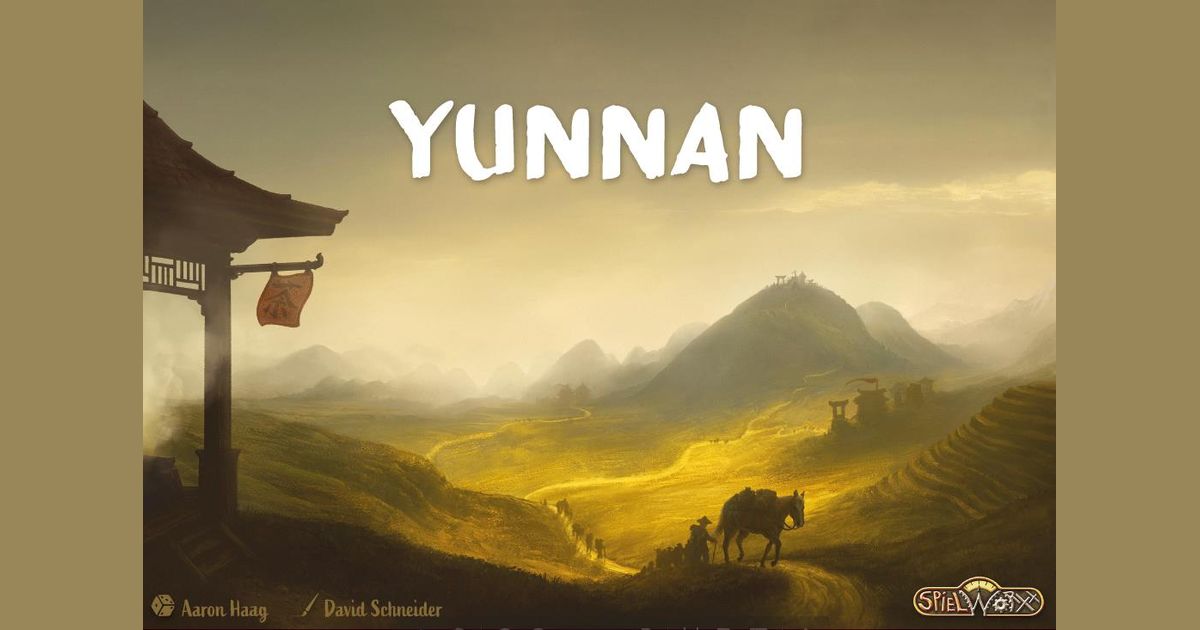
Yunnan — home of delicious Pu'er tea. For more than 1,000 years, the tea dynasties have provided this sought-after good via their horse caravans to faraway Tibet. The Tea-Horse Road — a network of paths and roads leading through the jungles of Yunnan, across the steppes of Sichuan, and over the peaks of the Himalaya — is the traditional travel route of the tea traders. In Yunnan, players control the fate of their tea dynasties. Their main goal is to establish a broad and secure trading network to deliver the tea to the farthest provinces, doing it better than their opponents. The main work behind the scenes is done in Pu'er, their home location: New traders need to be trained, better horses need to be acquired, and a good number of border passes need to be requested to be able to reach the farthest provinces. Mere trading is not enough to beat the competition, however. Great social influence and a prestigious tea house may come in handy to propitiate the province inspector. Bridges provide shortcuts, and trading posts in faraway places secure one's own path along the Tea-Horse Road. Yunnan is well-suited for players who like tactical development games. Due to the interleaving game mechanisms, the players are involved at all times. The great variety of available actions allows for different strategies. Only the player who calculates well, goes against the proper opponents, and reacts to the actions of others swiftly and adequately will win this game, which includes no elements of chance.