Overview
At a glance
Is this game right for my group?
ABG editorial scores on a 1–5 scale.
Harder to teach
High replayability
Highly interactive
Scales well
Deep strategy
How it plays
How does it play?
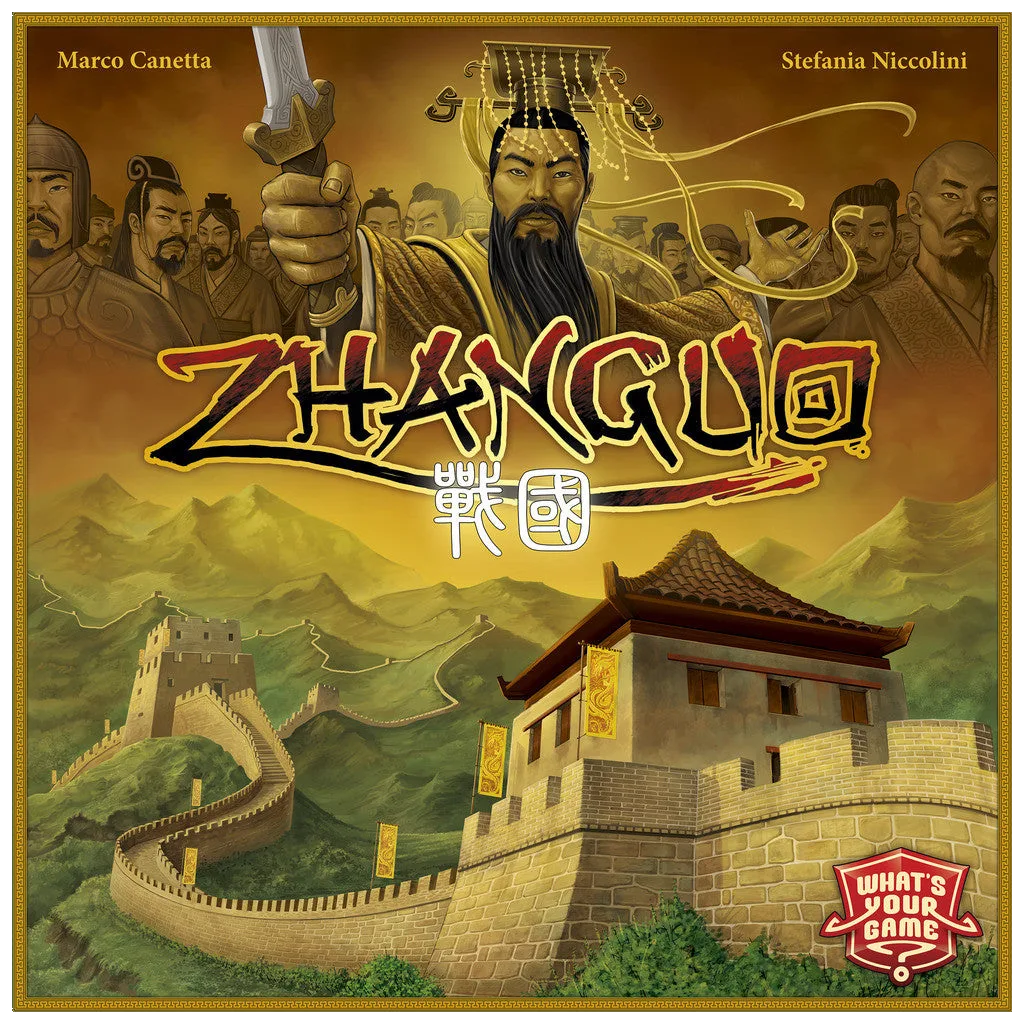
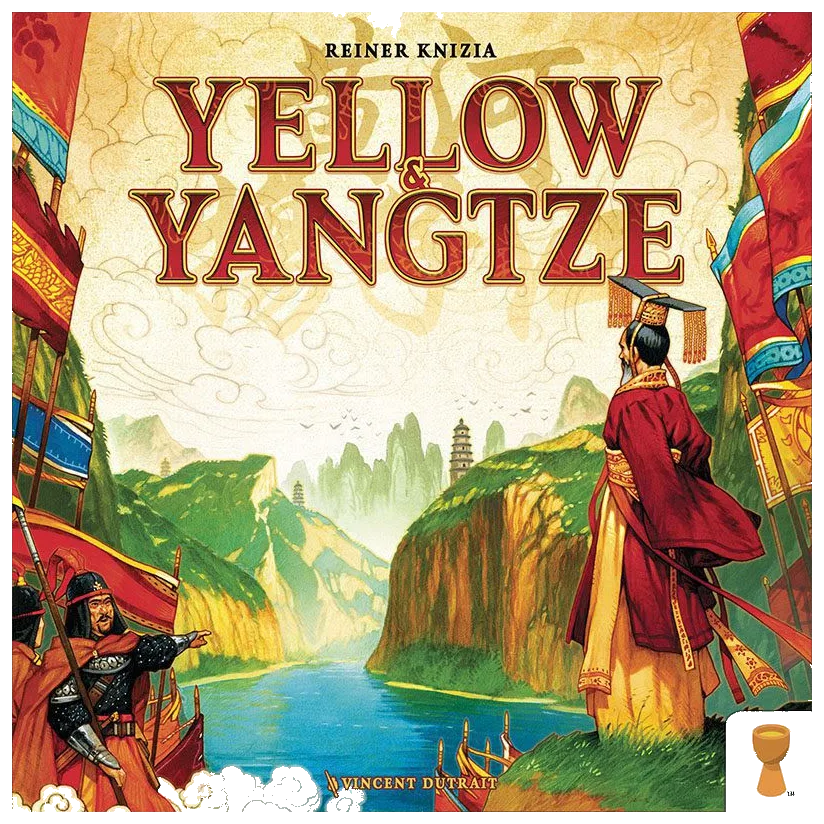
The period of the Warring States (475-221 BCE) describes a time of endless wars between seven rival states: Qin, Chu, Qi, Yan, Han, Wei, and Zhao.
Core mechanisms
Key systems that shape the decisions players make.
Area Majority
Compete to have the strongest presence in areas that award control or points.
Hand Management
Time and sequence a limited hand of cards to preserve future options.
Hexagon Grid
Use a hexagonal map where each space connects evenly in six directions.
Hidden Victory Points
Some scores remain concealed until a reveal or the end of the game.
Highest-Lowest Scoring
Final scoring depends on balancing categories because the highest or lowest value matters.
Read the full game description
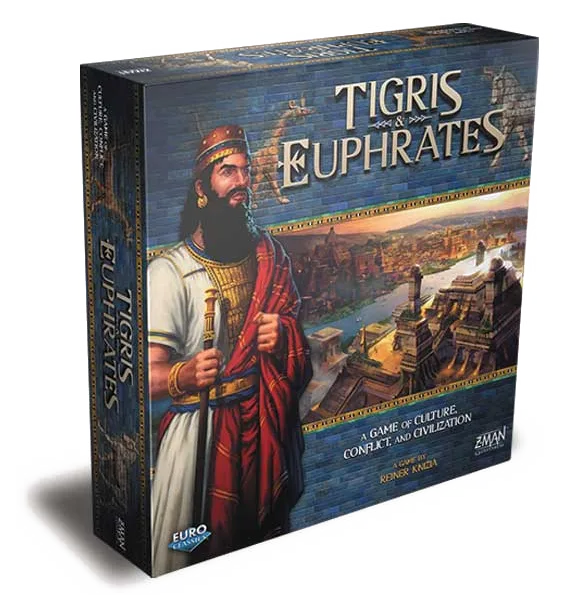
The period of the Warring States (475-221 BCE) describes a time of endless wars between seven rival states: Qin, Chu, Qi, Yan, Han, Wei, and Zhao. These states were finally unified in 221 BCE under the Qin dynasty to lay the origin of today's China, with its two main rivers: the Yellow and the Yangtze. Yellow & Yangtze, the sister game to the highly acclaimed board game Tigris & Euphrates, invites you to replay this eventful period and to lead your dynasty to victory. In Yellow & Yangtze, players build civilizations through tile placement. Players are given five different leaders: Governor, Soldier, Farmer, Trader, and Artisan. The leaders are used to collect victory points in these same categories. However, your score at the end of the game is the number of points in your weakest category. Conflicts arise when civilizations connect on the board. To succeed, players' civilizations must survive these conflicts, calm peasant revolts, and grow secure enough to build prestigious pagodas.