Overview
At a glance
Is this game right for my group?
ABG editorial scores on a 1–5 scale.
Harder to teach
High replayability
Highly interactive
Scales well
Deep strategy
How it plays
How does it play?
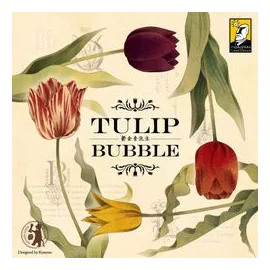
In 1637, the tulip craze fueled one of the first speculative investment bubbles. Coveted tulip varieties led to skyrocketing prices with tulip bulbs costing more than houses in Amsterdam.
Core mechanisms
Key systems that shape the decisions players make.
Auction/Bidding
Bid against other players to determine who receives an item, action, or priority.
Commodity Speculation
Buy or influence goods whose values change before they are sold or scored.
Open Drafting
Select cards or items from a shared face-up display.
Set Collection
Gather related items that become more valuable when scored together.
Contracts
Complete specific requirements to earn rewards, income, or victory points.
Read the full game description
In 1637, the tulip craze fueled one of the first speculative investment bubbles. Coveted tulip varieties led to skyrocketing prices with tulip bulbs costing more than houses in Amsterdam. Then just as suddenly as it started, the bubble burst when investors could no longer afford even the cheapest bulbs, leaving economic turmoil. In Tulip Bubble, players buy and sell on a fluctuating market, trying to earn the most guilders. The game flow includes a preparation phase, buying phase, and selling phase, with these phases recurring until the bubble collapses or someone manages to outwit the markets by purchasing a black tulip for 120 guilders before that collapse occurs.