Overview
How it plays
How does it play?
Gods and Goddesses are mercurial beings, given to jealousy and treachery, but they can also possess compassion and valor. Who among the pantheon can win enough glory among their believers, so that their story of mythic victory can be passed down through the generations?
Core mechanisms
Key systems that shape the decisions players make.
Open Drafting
Select cards or items from a shared face-up display.
Push Your Luck
Choose whether to secure current gains or risk them for a larger reward.
Hand Management
Time and sequence a limited hand of cards to preserve future options.
Team-Based Game
Players compete in fixed teams and coordinate toward a shared team result.
Variable Player Powers
Each player has different abilities, restrictions, or strategic advantages.
Read the full game description
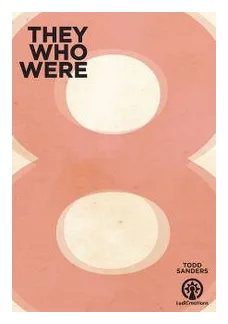
Gods and Goddesses are mercurial beings, given to jealousy and treachery, but they can also possess compassion and valor. Who among the pantheon can win enough glory among their believers, so that their story of mythic victory can be passed down through the generations? They Who Were 8 is a game for 2-4 players where each player serves two Gods, seeking to praise them for their Glory, and trying to avoid stories of their Infamy. The game can be played in two different ways: • Titanomachy: A game for 2-4 players trying to achieve an individual victory. • Pantheon: A partnership game for 4 players, played in two teams of 2. In both of these games, the players take actions that represent a bard’s retelling of the ancient story of They Who Were 8. They may also call upon the powers of their Gods to control the narrative and establish their version of the saga as the one told for eternity. Note: They Who Were 8 was inspired by a cycle of poems by Todd Sanders written in 1999. The poems are fragments of a larger ancient saga, lost to time.