Overview
At a glance
Is this game right for my group?
ABG editorial scores on a 1–5 scale.
Harder to teach
High replayability
Highly interactive
Scales well
Deep strategy
How it plays
How does it play?
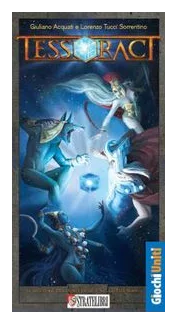
In Tesseract, mighty gods fight each other playing with the Tesseract and the balance of the Universe. The Tesseract is a cosmic cube in constant evolution; it controls all that exists in the Universe, things and beings.
Core mechanisms
Key systems that shape the decisions players make.
Read the full game description
In Tesseract, mighty gods fight each other playing with the Tesseract and the balance of the Universe. The Tesseract is a cosmic cube in constant evolution; it controls all that exists in the Universe, things and beings. Each part of the Tesseract is defined by one of the three cosmic colors, which represent the three different qualities of the Universe: yellow is the ascending energy, blue is the descending energy, red is the expansive energy. By manipulating the Tesseract, the gods influence the balance and the destiny of the Universe. Players try to match the Equilibrium cards with the Tesseract’s arrangement, in order to score Power points. By playing Divine Interference cards they can rearrange Tesseract’s surface. At the end of the games, the player with most Power point is the winner