Overview
At a glance
Is this game right for my group?
ABG editorial scores on a 1–5 scale.
Teachability
2.3/5
Harder to teach
Replay value
4.0/5
High replayability
Interaction
3.7/5
Highly interactive
Player scaling
4.0/5
Scales well
Strategic depth
4.5/5
Deep strategy
How it plays
How does it play?
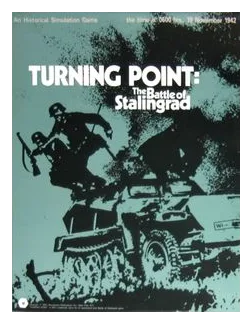
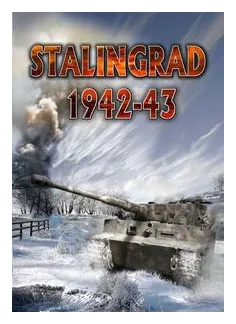
The game about one of the greatest WW2 battles. Map is double-sided (summer and autumn version).
Core mechanisms
Key systems that shape the decisions players make.
Read the full game description
The game about one of the greatest WW2 battles. Map is double-sided (summer and autumn version). The game uses rules of the "WB95" (Great Battles 1939-1945) system designed for dealing with large battles of World War II. Counters represent regiments (Germans) or divisions (Russians), one hex represents about 2500m, one turn represents one day.