Overview
At a glance
Is this game right for my group?
ABG editorial scores on a 1–5 scale.
Harder to teach
High replayability
Highly interactive
Scales well
Deep strategy
How it plays
How does it play?
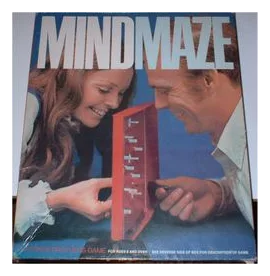
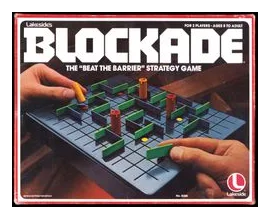
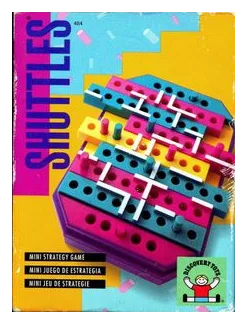
From the box: Shuttles is a game of strategy for two players, ages 8 to adult. By moving playing pieces and game board sliders, players maneuver around variable barriers in a race to be the first to reach their goal.
Core mechanisms
Key systems that shape the decisions players make.
Read the full game description
From the box: Shuttles is a game of strategy for two players, ages 8 to adult. By moving playing pieces and game board sliders, players maneuver around variable barriers in a race to be the first to reach their goal. This challenging game develops strategic thinking skills, and by solving strategy problems, helps children to develop solutions to real-life problems." The board is made up of nine or seven horizontal rows ("sliders") containing various combinations of holes and barriers. The players start with five pegs each, on opposite ends of the board, and attempt to be the first to get all of their pegs to the other side. On a turn, the player can either move a peg orthogonally as far as they want without crossing a boundary, or they can move one of the rows left or right, shifting the location of the holes and barriers in an attempt to block their opponent's moves or open a path for their own pegs.