Overview
At a glance
Is this game right for my group?
ABG editorial scores on a 1–5 scale.
Harder to teach
High replayability
Highly interactive
Scales well
Deep strategy
How it plays
How does it play?
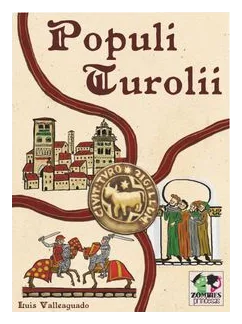
Teruel, 1171. The village of Teruel is founded and centuries of cohabitation began among three cultures: Christians, Jews and Muslims.
Core mechanisms
Key systems that shape the decisions players make.
Read the full game description
Teruel, 1171. The village of Teruel is founded and centuries of cohabitation began among three cultures: Christians, Jews and Muslims. Under the conditions of the Fuero of Teruel (Teruel’s laws), the three cultures kept their traditions alive, living their legacy in the streets and in the history of the city. Populi Turolii is a game for 3 to 8 players. You are an influential person in your community and you must take care of your people’s interests throughout some events, without breaking the balance of power among the three cultures. The winner is the one who achieves the objectives written in his/her character card at the end of one of the rounds. Components of the game: 1 Rulebook. 96 Cards. Playing the game: The game is divided into a variable number of rounds, which are composed of different stages: Stage 1: Negotiations Each player looks at each of the three events that are on the table. The players can negotiate and try to persuade the others to deal with the rest of the events. Stage 2: Decision-making Beginning by the first player and clockwise, each player chooses one of his game cards and places it face-up on one of the events. This action must be repeated until all players have played all their cards. Stage 3: Scoring Once all the cards have been assigned, all the events must be checked one by one, analyzing the game cards placed on them. After checking the three events, the total movement of each culture must be calculated. Now check if any player has won. In this case, the game ends.