Overview
At a glance
Is this game right for my group?
ABG editorial scores on a 1–5 scale.
Easier to teach
High replayability
Highly interactive
Scales well
Deep strategy
More strategic control
How it plays
How does it play?
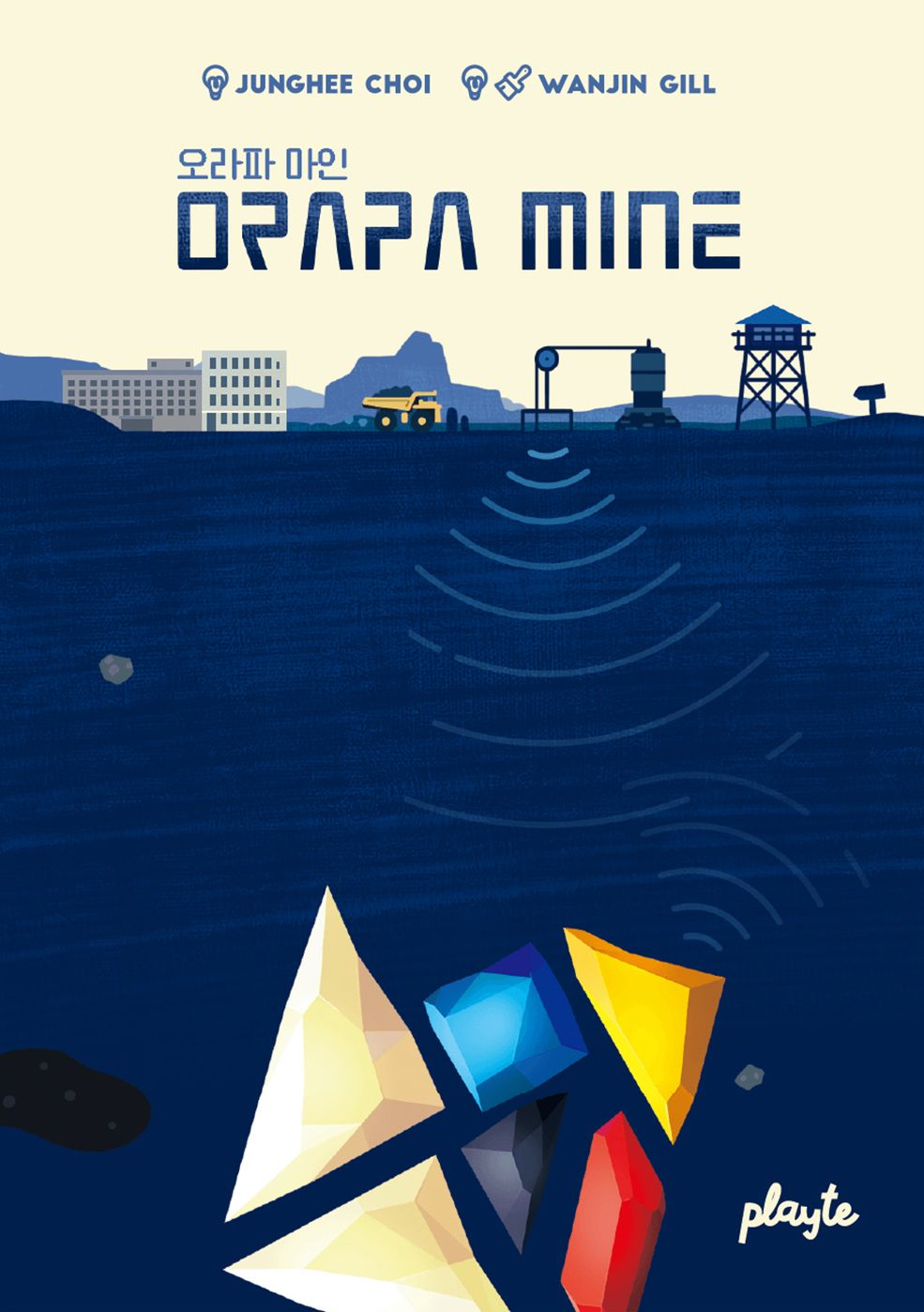
Fire elastic waves into a hidden mine, track every reflection, refraction, and color change, then pinpoint the concealed minerals before the other explorers.
Core mechanisms
Key systems that shape the decisions players make.
Read the full game description
Orapa Mine turns a sheet of graph paper and a handful of tangram-like minerals into a vivid deduction laboratory. One player is the mine director and secretly places the colored pieces behind a screen; everyone else becomes an explorer trying to reconstruct that hidden arrangement. On a turn, an explorer fires an elastic wave through a numbered or lettered edge of the grid. The director traces its path, reports where it leaves, and reveals whether the wave reflected, refracted, or changed color as it crossed the minerals. Explorers mark the shared evidence on their own maps, compare competing explanations, and decide when a theory is precise enough to announce. Every query gives information to the whole table, so asking the right question matters as much as interpreting the answer. The director role makes the game naturally asymmetric without adding a separate rules burden, while the geometric pieces create a large range of possible puzzles. Orapa Mine is quick enough for repeated rounds but demanding enough that a single clean inference can feel like striking a gemstone.