Overview
At a glance
Is this game right for my group?
ABG editorial scores on a 1–5 scale.
Harder to teach
High replayability
Highly interactive
Scales well
Deep strategy
How it plays
How does it play?
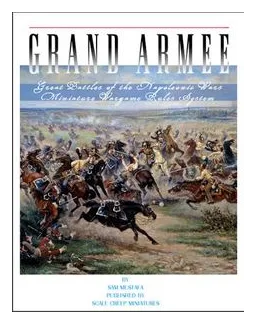
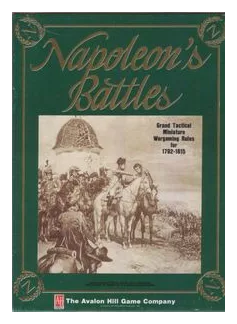
These are traditional rules for 15mm Napoleonic Miniatures. The basic game covers weather, routing, command & control, movement & maneuver, defensive reaction, fire, combat, and pursuit.
Core mechanisms
Key systems that shape the decisions players make.
Read the full game description
These are traditional rules for 15mm Napoleonic Miniatures. The basic game covers weather, routing, command & control, movement & maneuver, defensive reaction, fire, combat, and pursuit. The basic rules are more complex than most miniature games. Advanced and optional rules add depth in the areas of fatigue, morale, evasion, special cavalry rules, supply chains, hidden movement, and generals. Like most Napoleonic minature games, the basic turn segments are: Rally Command & Control Move Fire Close combat(called All-out attack in this game) Casualties (including routs) Morale Each player in turn determines which units are in control, moves, is subjected to fire, engages in close combats, the results of combat are resolved, and then the second player goes through the same sequence. The winner can be determined by control of scenario objectives, a loss of army morale, and/or casualty counts. Combats are resolved via the rolling of a d10 and a combat table that is modified for a large number of factors, ranging from troop quality to current formation. Data for a large variety of nationalities and troop types are included. Includes an introduction to miniature wargaming bookle and cardboard counters that can be used in place of miniature stands.