Overview
At a glance
Is this game right for my group?
ABG editorial scores on a 1–5 scale.
Harder to teach
High replayability
Highly interactive
Scales well
Deep strategy
How it plays
How does it play?
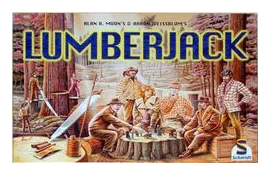
Woodcutters compete in their annual Lumberjack game where they use real timber as components. In preparation for the game someone has spray-painted 100 logs in 5 different colors, and stacked them in a huge round tower with layers of 6 logs arranged randomly.
Core mechanisms
Key systems that shape the decisions players make.
Read the full game description
Woodcutters compete in their annual Lumberjack game where they use real timber as components. In preparation for the game someone has spray-painted 100 logs in 5 different colors, and stacked them in a huge round tower with layers of 6 logs arranged randomly. A player takes a free log from the tower and uses it to build his own tower. Each player may only construct 3 towers and only the bottom log of each tower may touch the table. When a player feels he cannot extend a tower any further he can crown it with a white cap. This prevents any further building on that tower and ensures double scoring. (After scoring the topmost piece is removed.) When all logs from the central tower has been used, there is final scoring, and the woodcutter with the most points wins a brand-new chain saw. Also included are 3 variants: "Easy Going": The players build up to 5 individual towers, but each of only a single color. The base may be formed from more than one log, but cannot be expanded after the next level has been started. Scoring is for the highest tower in each color at the end of the game. Logs from collapsed towers are lost. "Pyramido": Players build the pyramids with single color surfaces. "Log Cabin": Build small houses using as few colors as possible. Above based on Brett & Board which thanks Adam Spielt for use of the description.