Table feel
Keydom has a moderate level of direct confrontation and strategic depth in confrontation. Players need to frequently pay attention to and react to others' strategies and turns. However, there is less emphasis on cooperation in the game.
Players
2-5
Time
?-?
Age
10+
Weight
2.67
Rating
6.85
Teaching signal
High replayability
Highly interactive
Scales well
Deep strategy
More strategic control
Keydom has a moderate level of direct confrontation and strategic depth in confrontation. Players need to frequently pay attention to and react to others' strategies and turns. However, there is less emphasis on cooperation in the game.
Keydom has a high variability gameboard, with multiple paths to victory and variable setups. The presence of expansions adds new content and gameplay elements, enhancing replay value. The game offers deep strategic possibilities and room for improvement over time. The player interaction score is average. It scales well with different player counts without compromising its appeal or balance. While it may take some time to learn, the game offers a good balance between easiness and depth. Overall, Keydom has a strong replayability score of 7.92 out of 10.
Keydom has a moderate level of randomness impact, with random elements playing a notable but not exclusive role in determining the game outcome. However, players have substantial ability to mitigate the effects of randomness through strategic decisions and planning. The game relies on a balanced mix of luck and strategy, with the outcome primarily determined by player strategy and decisions. Overall, Keydom has a final luck score of 7, indicating that luck plays a minor role in the game.
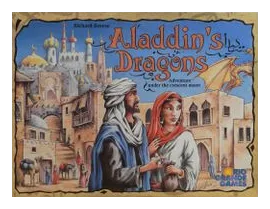
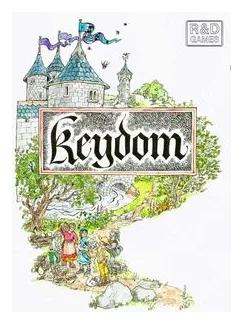
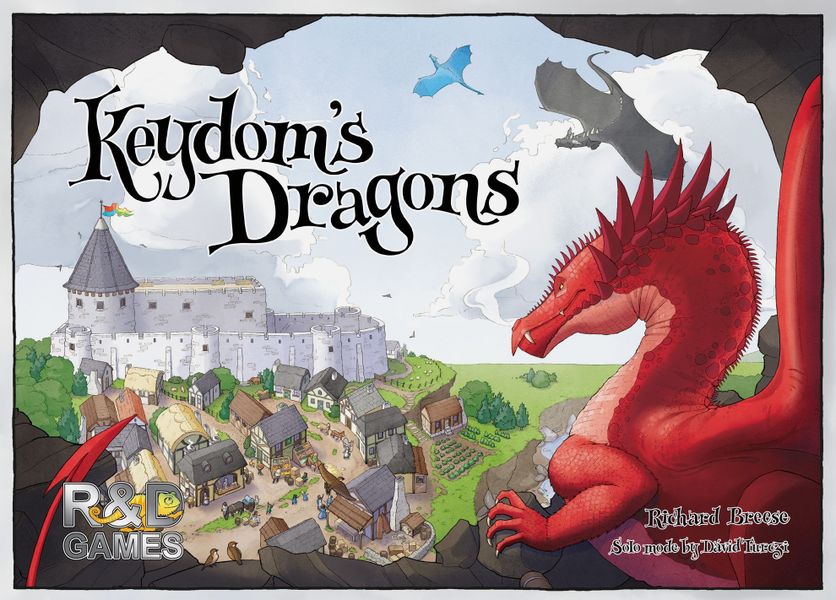
Independently produced by British game designer Richard Breese, the three hundred copies of this game sold within hours of its initial offering at Essen 1998. Players represent a family of medieval professionals, such as Stonemasons or Fishermen. Using a set of numbered tokens and some misdirection, players try to achieve control in several areas of the board. Perhaps they are seeking resources. Or perhaps they will use their hard-fought resources to purchase special actions, magical spells, or a piece of the royal Keylore. The first player to acquire all three pieces of regalia and take them to the throne room is crowned King and is the winner. Re-tooled, this game was re-released as Aladdin's Dragons in 2000. Keydom is Richard Breese's second game in the key series. Re-implemented by: Aladdin's Dragons
| Edition | Year | Language | Publisher / Region |
|---|---|---|---|
| No editions imported yet. | |||
No files imported yet.
No commerce mappings imported yet.