Overview
At a glance
Is this game right for my group?
ABG editorial scores on a 1–5 scale.
Harder to teach
High replayability
Highly interactive
Scales well
Deep strategy
How it plays
How does it play?
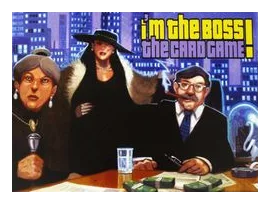
I'm the Boss!: The Card Game, a version of Sid Sackson's classic negotiation game I'm the Boss! that's based on his original design of that game, is still all about negotiation, with players trying to end up with more money in hand than anyone else.
Core mechanisms
Key systems that shape the decisions players make.
Read the full game description
I'm the Boss!: The Card Game, a version of Sid Sackson's classic negotiation game I'm the Boss! that's based on his original design of that game, is still all about negotiation, with players trying to end up with more money in hand than anyone else. The game plays in rounds, and each round consists of a separate money-making deal. Each round, players play cards in clockwise order in turns to give them the right to a "cut" of the current deal, the value of which depends on the cards played. When a player has passed twice, he can no longer influence that round. After everyone has passed twice, the round ends, and points are totalled to calculate the value of that deal. Players then earn money for each "cut" or piece of the action that they have, which represents their share of that deal. While playing cards, players can negotiate in order to encourage other players to make plays that are favorable to them. After a fixed number of such deals (rounds), the game ends, and the player who has the most money wins.