Overview
At a glance
Is this game right for my group?
ABG editorial scores on a 1–5 scale.
Harder to teach
High replayability
Highly interactive
Scales well
Deep strategy
How it plays
How does it play?
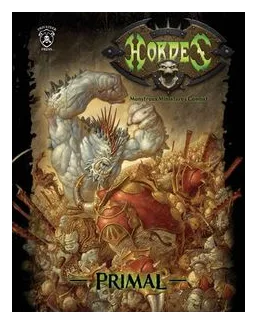
Hordes can be viewed as either an expansion to Warmachine, or a totally separate game using the same system. Either way, it contains four new factions and is based on the same system.
Core mechanisms
Key systems that shape the decisions players make.
Read the full game description
Hordes can be viewed as either an expansion to Warmachine, or a totally separate game using the same system. Either way, it contains four new factions and is based on the same system. It is 100% compatible with Warmachine. Rather than the steampunk theme of Warmachine, Hordes focuses on the more primitive tribal powers: Trollblood, Skorne, Legion of Everblight, Circle Orboros, Farrow (pig-men) and Gatormen. They wage war with great warbeasts in place of warjacks and, instead of warcasters, have warlocks that draw power from their beasts.