Overview
At a glance
Is this game right for my group?
ABG editorial scores on a 1–5 scale.
Harder to teach
High replayability
Highly interactive
Scales well
Deep strategy
How it plays
How does it play?
In a fantasy world dominated by goblins, when the blood moon rises in the sky, a new war begins and new warlords raise their armies.
Core mechanisms
Key systems that shape the decisions players make.
Read the full game description
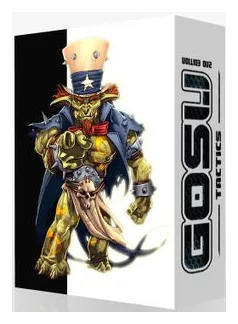
In a fantasy world dominated by goblins, when the blood moon rises in the sky, a new war begins and new warlords raise their armies. GOSU 2: Tactics plays like a hybrid of Race for the Galaxy and Magic: The Gathering with each player trying to recruit an army of goblins made up of soldiers, heroes, magicians, and other classes – then swing it into action against the other players. Five clans of goblins are represented on the game cards, with goblins in one of three ranks. To build an army, a player must first recruit level I goblins, then build on those goblins with level II and finally level III. Those higher level goblins can be played only if a lower level goblin is of the same clan, and since goblins of the same clan have similar abilities or powers that mesh well, players tend to specialize in who they recruit to their ranks. Each turn, a player can play a new goblin, use a goblin's power, draw cards, or pass. Many goblins have special powers that come into play when they're recruited, attacked, removed from play, placed with other goblins, and so on. Once all players have passed, the player with the most powerful army wins the battle. Players keep cards in hand from one battle to the next, so laying out all your forces at once can leave you with little to do but get hit in later battles. The first player to win three battles wins the game. While the game play in GOSU2 remains much the same as in GOSU, some changes make it a different game: The game no longer includes activation tokens, which were used to draw cards or activate a goblin's power. All text has been removed from the cards to make them (and the game as a whole) fully multilingual. Goblin abilities are now based on seven symbols, each with a basic and a MAX version. The game includes a new «link» ability. The goblin clans are structured differently. Additionally, all cards are "cold foil" printed to make them shiny. Glitzy goblins – whodathunk?