Overview
At a glance
Is this game right for my group?
ABG editorial scores on a 1–5 scale.
Harder to teach
High replayability
Highly interactive
Scales well
Deep strategy
How it plays
How does it play?
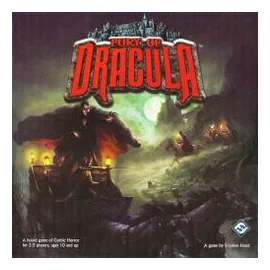
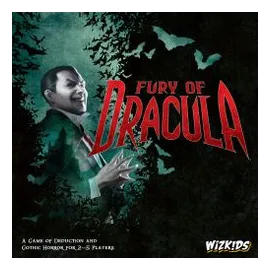
The third edition of Fury of Dracula features all-new art and graphic design crafted to complement the game's intuitive, thematic mechanisms. Rounds are now broken into day and night, with hunters taking actions during both, while Dracula can act only at night.
Core mechanisms
Key systems that shape the decisions players make.
Hidden Movement
One or more pieces move secretly while opponents infer their locations.
Card Play Conflict Resolution
Resolve confrontations by choosing and comparing cards rather than only statistics.
Hand Management
Time and sequence a limited hand of cards to preserve future options.
Point-to-Point Movement
Move along explicit connections between named locations or nodes.
Resource to Move
Spend resources to determine or increase movement.
Read the full game description
The third edition of Fury of Dracula features all-new art and graphic design crafted to complement the game's intuitive, thematic mechanisms. Rounds are now broken into day and night, with hunters taking actions during both, while Dracula can act only at night. Combat is more streamlined and decisive, and new rumor tokens allow Dracula to mislead hunters and extend the terrible reach of his influence. Count Dracula triumphs if he advances his influence track to thirteen; if the hunters can defeat him before then, they save the continent of Europe and win the game. The fourth edition of Fury of Dracula contains pre-painted miniatures instead of unpainted figures, a different rulebook and different card sizes.