Overview
At a glance
Is this game right for my group?
ABG editorial scores on a 1–5 scale.
Harder to teach
High replayability
Highly interactive
Scales well
Deep strategy
How it plays
How does it play?
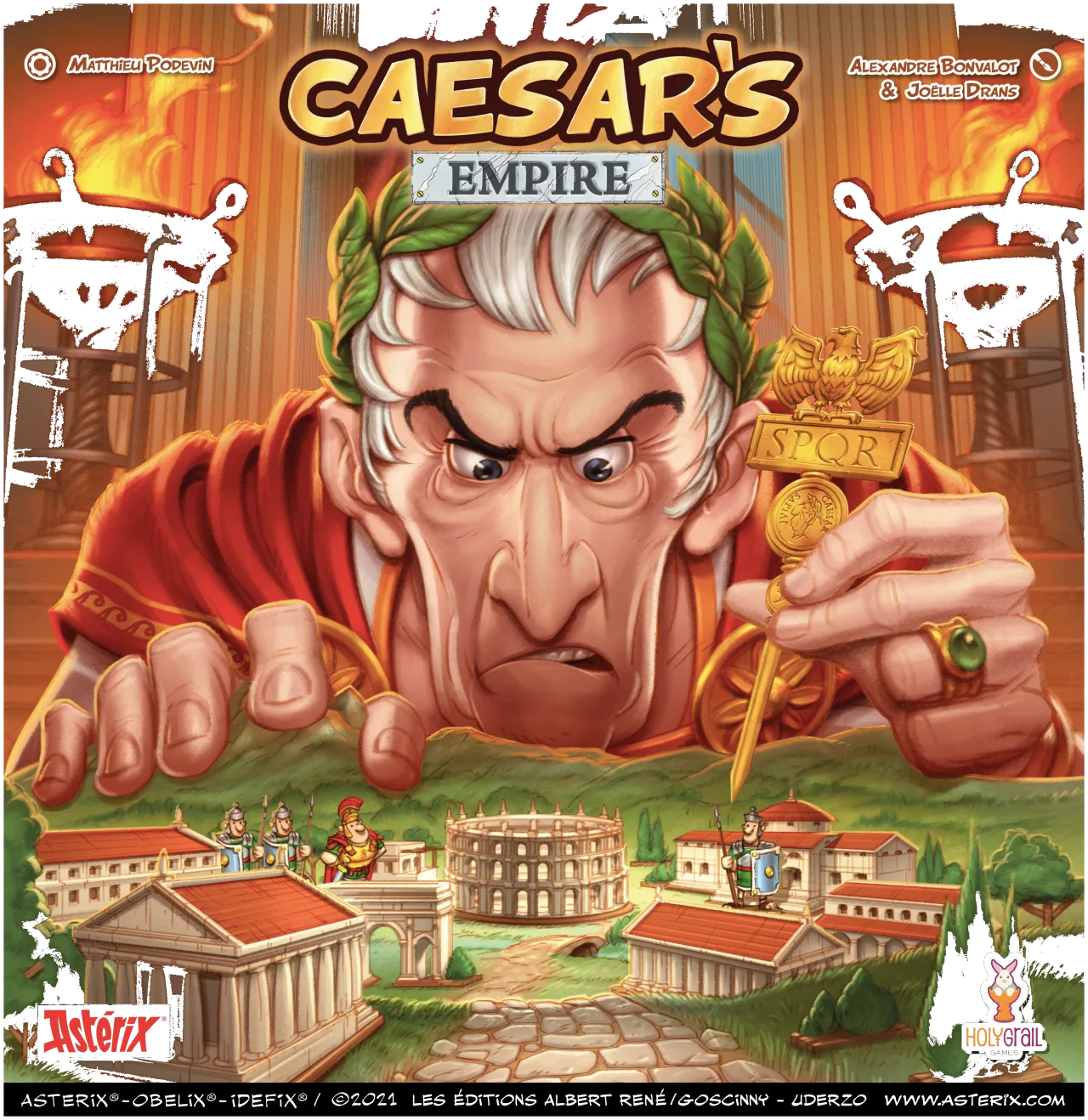
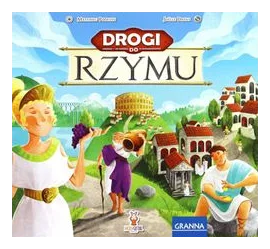
Roads to Rome is an elegantly simple network-building Eurogame, designed by Matthieu Podevin and illustrated by Joëlle Drans.
Core mechanisms
Key systems that shape the decisions players make.
Read the full game description
Roads to Rome is an elegantly simple network-building Eurogame, designed by Matthieu Podevin and illustrated by Joëlle Drans. Players take on the role of Rome's richest families, seeking to gain the Emperor's favor by creating a network of roads linking the Eternal City to the rest of the world! Each turn, players place road sections onto the map, starting from Rome and moving from city to city. Players gain points each time a new road is built based on how many steps away from Rome they are — the longer the section of road, the more points they score! If the road back to Rome contains a section placed by another player, that player also scores points. Forcing other players to use your roads is one of the most direct ways to win the game, but not the only one. The cities themselves also have a value, which will score players points at the end of the game. Players compete to secure the trade routes to the richest, most crucial settlements and metropolises in each region, sorting them by color and value. These cities offer up precious resources to Rome's industrious families! Collecting valuable trade goods like wine, oil, gems, and gold, players score points at the end of the game depending on the variety of different treasures they bring back to Rome. The game ends when all of the cities on the map have been claimed, and the player with the most points after final scoring wins! —description from publisher