Overview
At a glance
Is this game right for my group?
ABG editorial scores on a 1–5 scale.
Harder to teach
High replayability
Highly interactive
Scales well
Deep strategy
How it plays
How does it play?
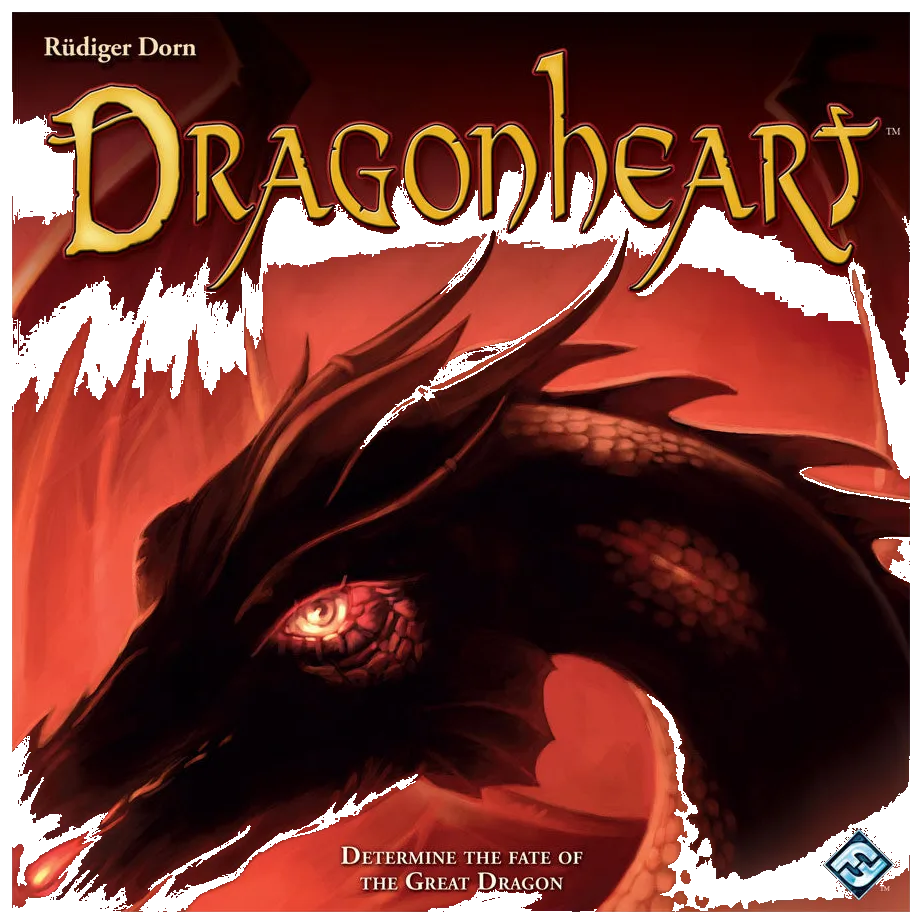
Dragons, knights, trolls, princesses, dwarves, and other fantasy characters make up the world of Dragonheart. Dragons are searching for treasure, of course, but they're being pursued by dragon hunters, and those are the two sides that face off in this game.
Core mechanisms
Key systems that shape the decisions players make.
Read the full game description
Dragons, knights, trolls, princesses, dwarves, and other fantasy characters make up the world of Dragonheart. Dragons are searching for treasure, of course, but they're being pursued by dragon hunters, and those are the two sides that face off in this game. On a turn, a player plays one or more cards with the same motif, then refills his hand to five cards. The cards are always played onto the part of the game board that has the same motif. By laying out cards, a player collects point cards that are already present. This is how the dragon collects treasure cards, for example, but the third dragon hunter defeats the dragon, while a second knight protects the princess. Other combinations await the players, and whoever collects the most points wins.