Overview
At a glance
Is this game right for my group?
ABG editorial scores on a 1–5 scale.
Harder to teach
High replayability
Highly interactive
Scales well
Deep strategy
How it plays
How does it play?
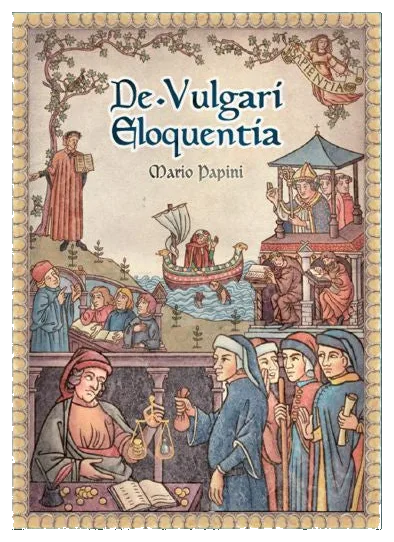
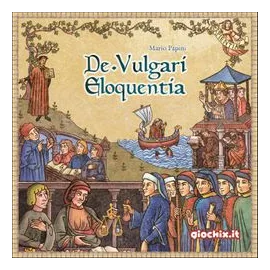
Italy, late Middle Ages: The fabric merchants need to write down their contracts in a language that everyone can understand, and the literates are looking for an alternative to the elite of the traditional Latin language, so the Volgare, the language spoken by the common people, taken from the dialects spoken in the various Italian regions, starts to gain relevance. During this period, Francesco D'Assisi writes his famous Canticle of the Sun and Dante writes the Divine Comedy, both written in Volgare.
Core mechanisms
Key systems that shape the decisions players make.
Action Points
Spend a limited allowance of points across several possible actions each turn.
Set Collection
Gather related items that become more valuable when scored together.
End Game Bonuses
Earn additional points for meeting conditions evaluated when the game ends.
Track Movement
Advance pieces along a defined linear or branching track.
Variable Set-up
Starting conditions, resources, or layouts change between plays.
Turn Order: Stat-Based
Determine or change the order in which players take their turns.
Read the full game description
Italy, late Middle Ages: The fabric merchants need to write down their contracts in a language that everyone can understand, and the literates are looking for an alternative to the elite of the traditional Latin language, so the Volgare, the language spoken by the common people, taken from the dialects spoken in the various Italian regions, starts to gain relevance. During this period, Francesco D'Assisi writes his famous Canticle of the Sun and Dante writes the Divine Comedy, both written in Volgare. In De Vulgari Eloquentia, players have to do their part in the creation of this new language! But who will provide them the proper knowledge to understand the manuscripts in the different dialects? Who will successfully uncover the secrets of the books inside the Papal Library? Who will embrace the religious life, and who will remain a merchant? Some of the players can become a famous banker, someone else can climb the church's hierarchy to be the next Pope! But in the end, who will be the most appreciated and respected for their status and culture? The aim of the game is to obtain more Volgare points. The players gain VP from reading manuscripts and looking for important documents like the Canticle of the Sun or "The Riddle from Verona". Players can also gain VP by improving their social status, for example, if the merchant becomes a banker or the Friar becomes a Benedictine Monk or the Cardinal becomes Camerlengo or Pope. Moreover, VP can be gotten with money and with the support of Politicians, Noblemen, Abbesses, and the Amanuensis. This is a totally new re-designed edition of De Vulgari Eloquentia which features new mechanisms and new elements. The game has totally new layout and iconography. —description from the designer