Overview
At a glance
Is this game right for my group?
ABG editorial scores on a 1–5 scale.
Harder to teach
High replayability
Highly interactive
Scales well
Deep strategy
How it plays
How does it play?
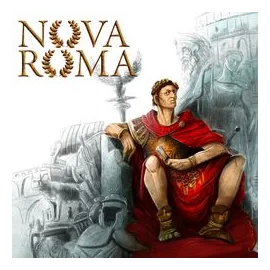
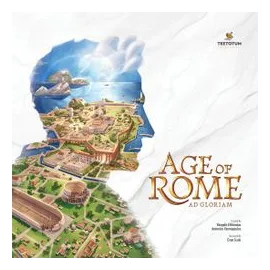
Become the new emperor of Rome in this strategic worker placement game set in 44 BC, Rome. Each turn, you will build structures in different provinces assigned to you through a rotating board.
Core mechanisms
Key systems that shape the decisions players make.
Area Majority
Compete to have the strongest presence in areas that award control or points.
Income
Receive recurring resources according to your position, assets, or development.
End Game Bonuses
Earn additional points for meeting conditions evaluated when the game ends.
Map Deformation
Actions alter the shape or connections of the existing map.
Events
Triggered events alter the shared state, rules, or available choices.
Read the full game description
Become the new emperor of Rome in this strategic worker placement game set in 44 BC, Rome. Each turn, you will build structures in different provinces assigned to you through a rotating board. Balance war, politics, trade, and religion while scheming against your rival players. In Age of Rome, each player is assigned a hero with their respective player board, then are given secret quests and starting resources of Denarii, Followers, Scheme tokens, Legions, and Votes. Then they spend nine rounds competing on a rotating board to earn Glory points. Each round consists of four phases: 1) Scheme phase: An Event card is revealed and turn order is determined; players activate Schemes in turn order. 2) Building phase: Players build structures in turn order. 3) Action phase: Players take actions by placing Followers in turn order. 4) Income phase: Players receive Income and the Provinces board is adjusted. Players can earn Glory points in various ways. They may build structures, place Followers to vote and win a majority, send Legions to conquer regions, trade or collect items, or even build a Pantheon. Completed secret quests also earn Glory points. After the 9th round, the game ends. The final score is determined and the player with the most Glory points is declared the new Emperor of Rome.