Overview
At a glance
Is this game right for my group?
ABG editorial scores on a 1–5 scale.
Harder to teach
High replayability
Low interaction
Scales well
Deep strategy
How it plays
How does it play?
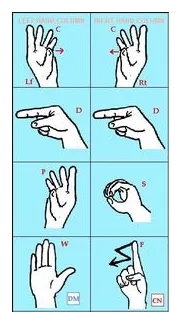
This unique and cunning pencil and paper game features a magical duel between 2 wizards. Variants for more are easily devised (last wizard standing, teams, etc.).
Core mechanisms
Key systems that shape the decisions players make.
Read the full game description
This unique and cunning pencil and paper game features a magical duel between 2 wizards. Variants for more are easily devised (last wizard standing, teams, etc.). The two opponents perform 6 magical gestures with their hands to cast spells - each spell created by performing a specific sequence of gestures. As gestures for the 2 hands are written secretly, then revealed simultaneously, there is ample ground for feinting - starting a sequence leading to a certain attack, then switching to a different sequence, hoping your opponent doesn't call your bluff. The 40 different spells allow you to attack, defend, summon monsters, enchant your opponent (limit her play in different ways), and more. To win, you need to make creative use of the many options, and keep an open eye towards your opponent's schemes. This is a game of almost pure skill. The inventor wishes to state that he has never been involved in a magical duel but would be interested to discover how realistic the game is for those who have been involved in such a bout.