Overview
At a glance
Is this game right for my group?
ABG editorial scores on a 1–5 scale.
Harder to teach
High replayability
Highly interactive
Scales well
Deep strategy
How it plays
How does it play?
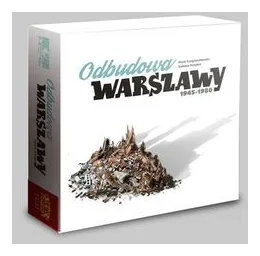
Warsaw Rising Up 1945-1980 is a board game for 3-5 players, where participants take the roles of Polish urban planners, architects, engineers and builders – members of design and building studios functioning within the Bureau for the Rebuilding of the Capital.
Core mechanisms
Key systems that shape the decisions players make.
Read the full game description
Warsaw Rising Up 1945-1980 is a board game for 3-5 players, where participants take the roles of Polish urban planners, architects, engineers and builders – members of design and building studios functioning within the Bureau for the Rebuilding of the Capital. They face the challenges of restoring Warsaw destroyed during World War 2, bringing back the city’s prestige and importance in the fields of administration, culture and industry. The goal of the game is to rebuild Warsaw after the war and develop the city. The players have to get concrete, use the materials acquired from the debris of the destroyed Capital and various social funds that were used in reality during the rebuilding of Warsaw. However, not only the reconstruction itself is important, but also the appropriate location of the objects on the city map and competent delegation of the members of one’s studio to work. One of the several tactical elements of the game is managing the project cards and workers. Using their extra abilities may be the key which will benefit one player and make the work much harder for another. But even for a moment they should not forget about acquiring building materials from prefabricated elements and building new panel blocks. The game covers the period of thirty-five years, so in subsequent stages many various tasks appear. They are related to political doctrines, tendencies in architecture as well as the general economical and developmental situation in Poland in the given period. But the most important feature of the game is that each time the players are able to rebuild Warsaw in a different way from this known from history. They decide whether the historical rebuilding plan will be realized and where – if at all – the Palace of Culture and Science will stand. The players also have an access to the plans that were never realized, both from the Six-Year Plan and later urban development concepts. The game includes a futuristic element, too – the players have plans of two subway lines at their disposal. Such plans actually existed in post-war Warsaw, but they were never realized due to economic problems. In this game it is possible.