Overview
At a glance
Is this game right for my group?
ABG editorial scores on a 1–5 scale.
Harder to teach
High replayability
Highly interactive
Scales well
Deep strategy
How it plays
How does it play?
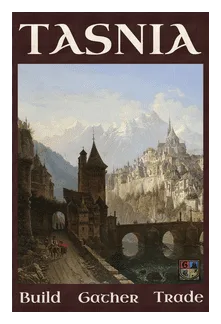
This is a short game that centers on trading cards and making wise, small decisions to navigate a medieval tech tree and build a village.
Core mechanisms
Key systems that shape the decisions players make.
Set Collection
Gather related items that become more valuable when scored together.
Trading
Exchange resources, assets, or promises with other players.
Hand Management
Time and sequence a limited hand of cards to preserve future options.
Network and Route Building
Create connected routes that improve reach, delivery, control, or scoring.
Read the full game description
This is a short game that centers on trading cards and making wise, small decisions to navigate a medieval tech tree and build a village. Players pick up 6 cards at the beginning of each round and play their hands simultaneously, building what they can and trying to trade with each other. At the end of each round, a player may hold no more than 2 cards to carry into the next round. The cards represent little buildings or territories, each of which are worth a certain number of points. More advanced buildings require less advanced buildings to be completed first, structured around a low-impact, discoverable tech tree. The graphics contain paths and other elements that allow players to position the cards to create an aerial view of their village over the course of the game. Each card is worth a few points; the game ends when any village is worth over 20 points, and the player with the most points in his village wins the game.