Overview
At a glance
Is this game right for my group?
ABG editorial scores on a 1–5 scale.
Harder to teach
High replayability
Highly interactive
Scales well
Deep strategy
How it plays
How does it play?
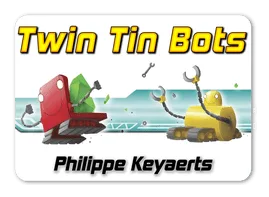
"The robot was advancing fast towards the base, loaded with crystals – but the opponent team's robot was nearing. 'Bzzzzt!' Lightning sparked briefly, and the Bot changed course to unload the crystal a few meters from his base, his programming slightly jammed by the shock wave.
Core mechanisms
Key systems that shape the decisions players make.
Pick Up and Deliver
Collect goods at one location and transport them to another for rewards.
Action Queue
Place actions into an ordered queue that resolves now or on later turns.
Programmed Movement
Plan movement commands in advance before revealing and resolving them.
Simulation
Model a real or imagined system through detailed cause-and-effect rules.
Read the full game description
"The robot was advancing fast towards the base, loaded with crystals – but the opponent team's robot was nearing. 'Bzzzzt!' Lightning sparked briefly, and the Bot changed course to unload the crystal a few meters from his base, his programming slightly jammed by the shock wave. The opponent Bot immediately loaded the crystal and proceed to rejoin his base; two other Bots were nearing and they didn't look too friendly! The mechanic sighed heavily as he knew this would inevitably end up in a melee, damaged Bots, and long hours in the repair shop afterwards..." In Twin Tin Bots, the robot-programming game for the new generation, many corporations have invested in crystal mining after they were discovered as a potent energy source. They designed and improved robots to harvest crystals and a few people can now run a big crystal harvesting rig. Many teams work on the same harvesting plant, but the game's always on to bring more crystals back than the others. In the game, each player programs two robots to harvest crystals from the game board and bring them back to his base. The catch is that robots repeat their programming, but changes to the program from turn to turn are limited. Robots can also interact with other robots so even the best laid plans can end up slightly different than expected. The player who harvests the most valuable crystals wins.