Overview
At a glance
Is this game right for my group?
ABG editorial scores on a 1–5 scale.
Harder to teach
High replayability
Highly interactive
Scales well
Deep strategy
How it plays
How does it play?
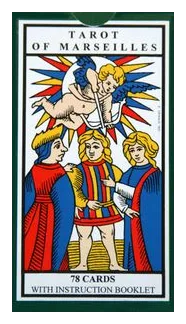
Not to be confused with divinatory tarot, the game of tarot probably comes from Italy.
Core mechanisms
Key systems that shape the decisions players make.
Read the full game description
Not to be confused with divinatory tarot, the game of tarot probably comes from Italy. It is played with a 78-card deck that has 56 suited cards (similar to the 52-card Poker deck, with the addition of a Cavalier or Knight court card between the Jack and Queen in each suit), plus 21 suitless trump cards in ascending rank, and one "Fool", similar to the Joker but with differing origins. In the most popular tarot game, called French Tarot in most English-speaking countries, one of the players will be the taker who will be playing against all the other players. The takers' goal is to make a certain amount of points in order to fulfill the contract which the taker player bids on at the beginning of the game. The goal of the other players (called the defense) is to stop the taker from achieving their score. The defense plays as a team against the taker. After receiving their hand, the players will take turns betting on a contract based on whether they think they can achieve the number of points required. The last player to place a bet will become the taker. A large number of European card games are played with either the full tarot deck or a subset of it, often re-faced in Germanic or other Eastern European motifs.