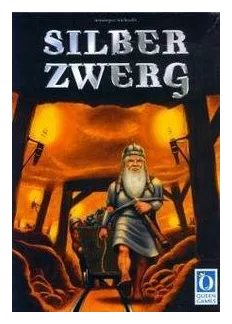
Overview
At a glance
Is this game right for my group?
ABG editorial scores on a 1–5 scale.
Harder to teach
High replayability
Highly interactive
Scales well
Deep strategy
How it plays
How does it play?
Players manage a set of dwarves mining for gems to fulfill randomly distributed contracts. Each turn, players simultaneously decide where to send their dwarves.
Core mechanisms
Key systems that shape the decisions players make.
Read the full game description
Players manage a set of dwarves mining for gems to fulfill randomly distributed contracts. Each turn, players simultaneously decide where to send their dwarves. Four of the dwarves are simply miners and will mine a particular color of gem, depending on placement. Gem prices are set each round, cheaper the more dwarves that are mining it. Players also have two boss dwarves, which can either be shadow dwarves (used to carry out evil actions on other players), or silver dwarves (usually beneficial actions for the player). Assembling the correct assortment of gems and assigning a silver dwarf to fulfill a contract, he can score either his own contract or one of two open contracts. Or he can assign a silver dwarf simply to sell gems for cash. High score when all the contracts are gone wins, but usually someone wins before that happens by hitting 600 points.