Overview
At a glance
Is this game right for my group?
ABG editorial scores on a 1–5 scale.
Harder to teach
High replayability
Highly interactive
Scales well
Deep strategy
How it plays
How does it play?
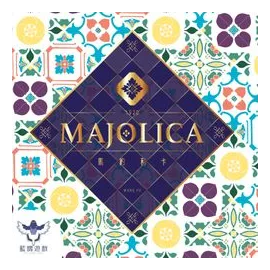
The rise of industrialization during the Victorian Era enabled both the mass production of a type of glazed pottery known as majolica as well as its spread to the Far East, including Japan, China, Taiwan, and Southeast Asia.
Core mechanisms
Key systems that shape the decisions players make.
Read the full game description
The rise of industrialization during the Victorian Era enabled both the mass production of a type of glazed pottery known as majolica as well as its spread to the Far East, including Japan, China, Taiwan, and Southeast Asia. The name “Majolica” comes from the Spanish name for the island of Maio (Cape Verde), which became renowned for (and later synonymous with) its export of high quality colorful glazed pottery tiles. In the game of Majolica, players take turns to collect majolica tiles from the outlying sides of a 4 x 4 grid and place them in one of their four workshops. When the ratio of the tile colors matches the requirement of the workshop, you may deliver the tiles to your design card and "carry-over" the remaining tiles to the next workshop. Choose the tiles wisely, arrange your design cards in the right place, and "recycle" your remaining tiles efficiently are the keys to score the most points and win the game.